
So, You Want to be an M18 Hellcat Gunner?![]()
![]() #AmericanHeritageMuseum #visitma #MilitaryHistory #historymuseum #WWII
#AmericanHeritageMuseum #visitma #MilitaryHistory #historymuseum #WWII
ONE OF WWII’S MOST DARING AIR RAIDS. ONE UNFORGETTABLE NIGHT AT AHM.![]()
![]() On Thursday, November 5, the American Heritage Museum welcomes New York Times bestselling author Adam Makos for a special History After Hours presentation celebrating his new book, “Tidal Wave”.
On Thursday, November 5, the American Heritage Museum welcomes New York Times bestselling author Adam Makos for a special History After Hours presentation celebrating his new book, “Tidal Wave”.![]()
![]() Released just two days earlier, “Tidal Wave” tells the gripping story of the August 1, 1943 raid on Ploesti, Romania, when American B-24 Liberator crews flew at extremely low altitude through fighters, flak, smoke, and fire to strike critical Axis oil refineries.
Released just two days earlier, “Tidal Wave” tells the gripping story of the August 1, 1943 raid on Ploesti, Romania, when American B-24 Liberator crews flew at extremely low altitude through fighters, flak, smoke, and fire to strike critical Axis oil refineries.![]()
![]() If you know Makos from “A Higher Call”, “Spearhead”, or “Devotion”, you know how powerfully he brings military history to life.
If you know Makos from “A Higher Call”, “Spearhead”, or “Devotion”, you know how powerfully he brings military history to life.![]()
![]() Now hear the story directly from him.
Now hear the story directly from him.![]()
![]() 📅 Thursday, November 5
📅 Thursday, November 5![]() 🎤 Presentation: 7:00–8:00 PM
🎤 Presentation: 7:00–8:00 PM![]() ✍️ Book signing immediately following
✍️ Book signing immediately following![]()
![]() Copies of Tidal Wave will be available through event registration, and Adam Makos will personally sign books after the presentation.
Copies of Tidal Wave will be available through event registration, and Adam Makos will personally sign books after the presentation.![]()
![]() 🎟️ Advance registration is strongly recommended.
🎟️ Advance registration is strongly recommended.![]()
![]() Reserve your tickets and copy of “Tidal Wave” at AmericanHeritageMuseum.org or the link in our bio.
Reserve your tickets and copy of “Tidal Wave” at AmericanHeritageMuseum.org or the link in our bio.![]()
![]() #visitma #AdamMakos #b24liberator #WWII #ploesti
#visitma #AdamMakos #b24liberator #WWII #ploesti
Get a front-row seat to World War II history this weekend at the Battle for the Airfield WWII Re-enactment Weekend at the American Heritage Museum, October 10-11, 2026. Two massive battles daily with real tanks, vehicles, artillery, and even airplanes! Get tickets at the link in our bio or at AmericanHeritageMuseum.org! #WWII #visitma #TankS #metrowestma #WorldWarII
Get ready for the Battle for the Airfield WWII Re-Enactment this Saturday & Sunday, October 10-11, 2026! Get tickets at: ahmus.me/bfta26
Who is excited for the Battle for the Airfield WWII Re-Enactment Weekend next weekend!? For those of you who have experienced it before, how many years have you attended? (Photos by Roland Brooks) - Get your tickets today at: ahmus.me/bfta26

- This event has passed.
Speaker Series: Plants Go to War: A Botanical History of World War II
October 22, 2021 @ 1:00 pm, ending 3:00 pm
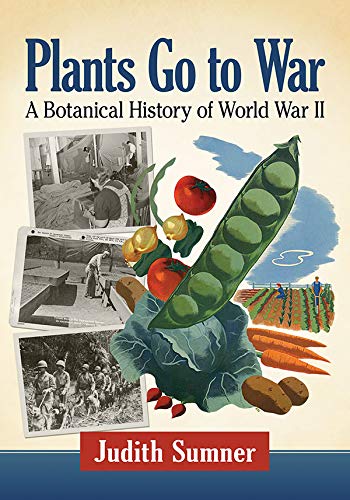
Join us for a fascinating discussion on the use of plants in the military. A presentation by
botanist Judith Sumner.
We will look at military history from a botanical perspective, from victory gardens and agriculture to timber, rubber, coal, and cotton, the many plant products that supplied the military and the home front during a time of intense need and high demand. The talk will include a special look at medicinal plants, including their use in the Pacific war, the County herb Committees in England, and the development of penicillin as a critical wartime drug. Join us for a unique view of World War II through a botanical lens. In short, we would not have won the war without plants!
About the speaker:
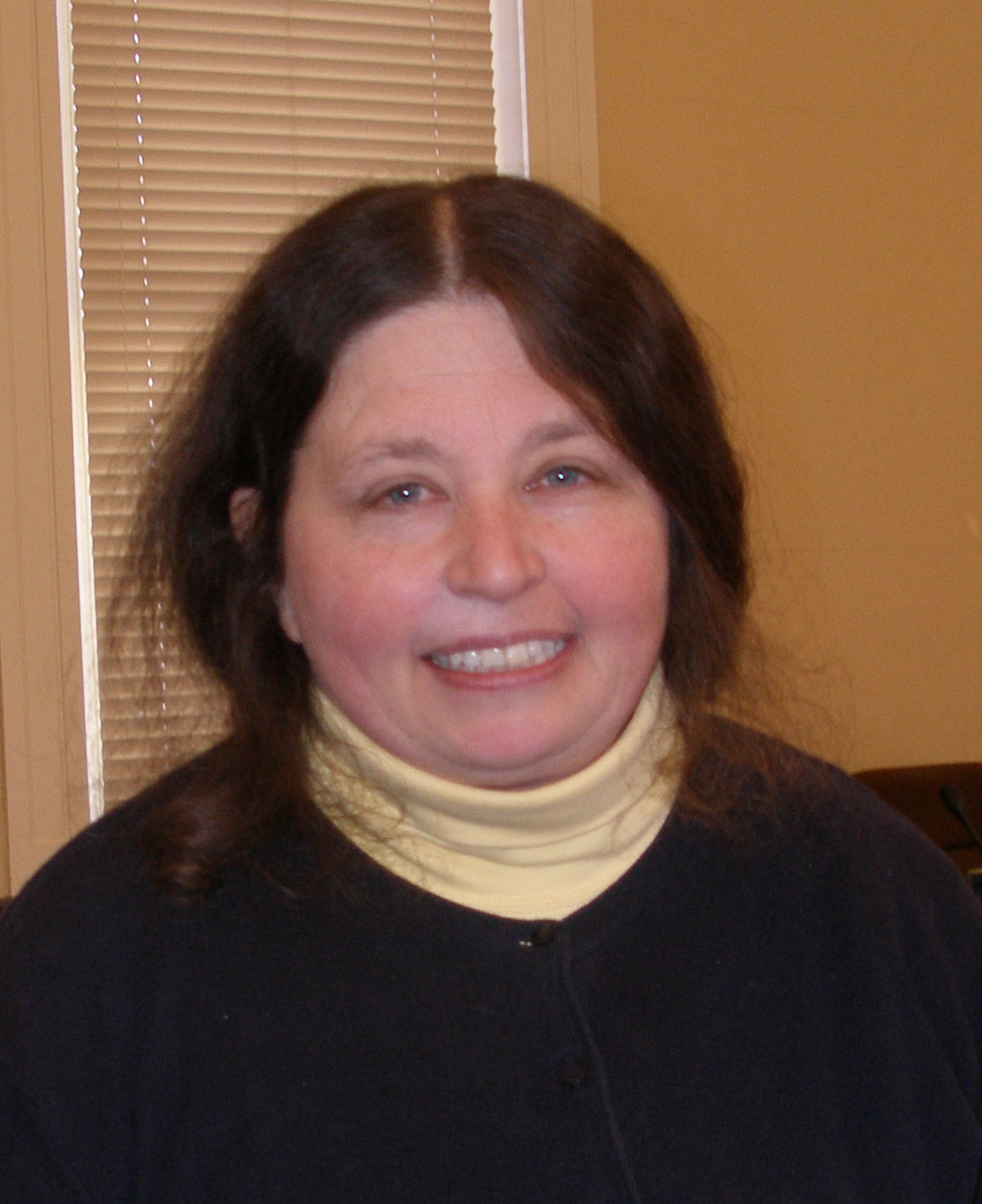
Judith Sumner is a botanist who specializes in flowering plants, plant adaptations, garden history, medicinal plants, and ethnobotany. She is a graduate of Vassar College and earned her Ph.D. in botany at the University of Massachusetts.
Judith has taught extensively both at the college level and at botanical gardens, including the Arnold Arboretum of Harvard University and Garden in the Woods. She studied at the Royal Botanic Gardens, Kew, and at the British Museum (Natural History) and did extensive field work in the Pacific region on the genus Pittosporum, including monographs in several publications. She contributed family revisions to Flora Vitiensis Nova, published by the National Tropical Botanical Garden. Her other projects and areas of interest have included field studies in the Great Smoky Mountains, work with AID/Santo Domingo on developing petroleum-rich plants, and a commitment to science education. She has recently completed Plants Go to War: A Botanical History of World War II, which includes victory gardens and agriculture, as well as timber, fibers, rubber, medicinal plants, camouflage, survival practices, and botanical gardens in wartime, which was published by McFarland in August 2019. Her other books include The Natural History of Medicinal Plants and American Household Botany: A History of Useful Plants 1620-1900, both published by Timber Press; the latter title won the American Horticultural Society book award.
Judith is a frequent invited lecturer for botanical and horticultural organizations and symposia, including the Arnold Arboretum of Harvard University, the New York Botanical Garden, Mohonk Mountain Reserve, Cornell University, Kykuit/The Rockefeller Estate, Polly Hill Arboretum, the Massachusetts Horticultural Society, Tower Hill Botanic Garden, Old Sturbridge Village, and Strawbery Banke. Judith has been the lecturer-in-residence at the Star Island Natural History Conference, and she has been a guest on the Martha Stewart Living television show, the PBS program “Cultivating Life” with Sean Conway, and various other PBS and educational programs. Judith is the recipient of the Gertrude B. Foster Award for Excellence in Herbal Literature by the Herb Society of America. During the summers, she has served as a visiting scientist in the LEAP program at the Arnold Arboretum and has led workshops for the Museum Institutes for Teaching Science. She has also served as a National Public Radio STEM mentor and is a frequent educational consultant on science writing, inquiry-based learning, and classroom science using plants.