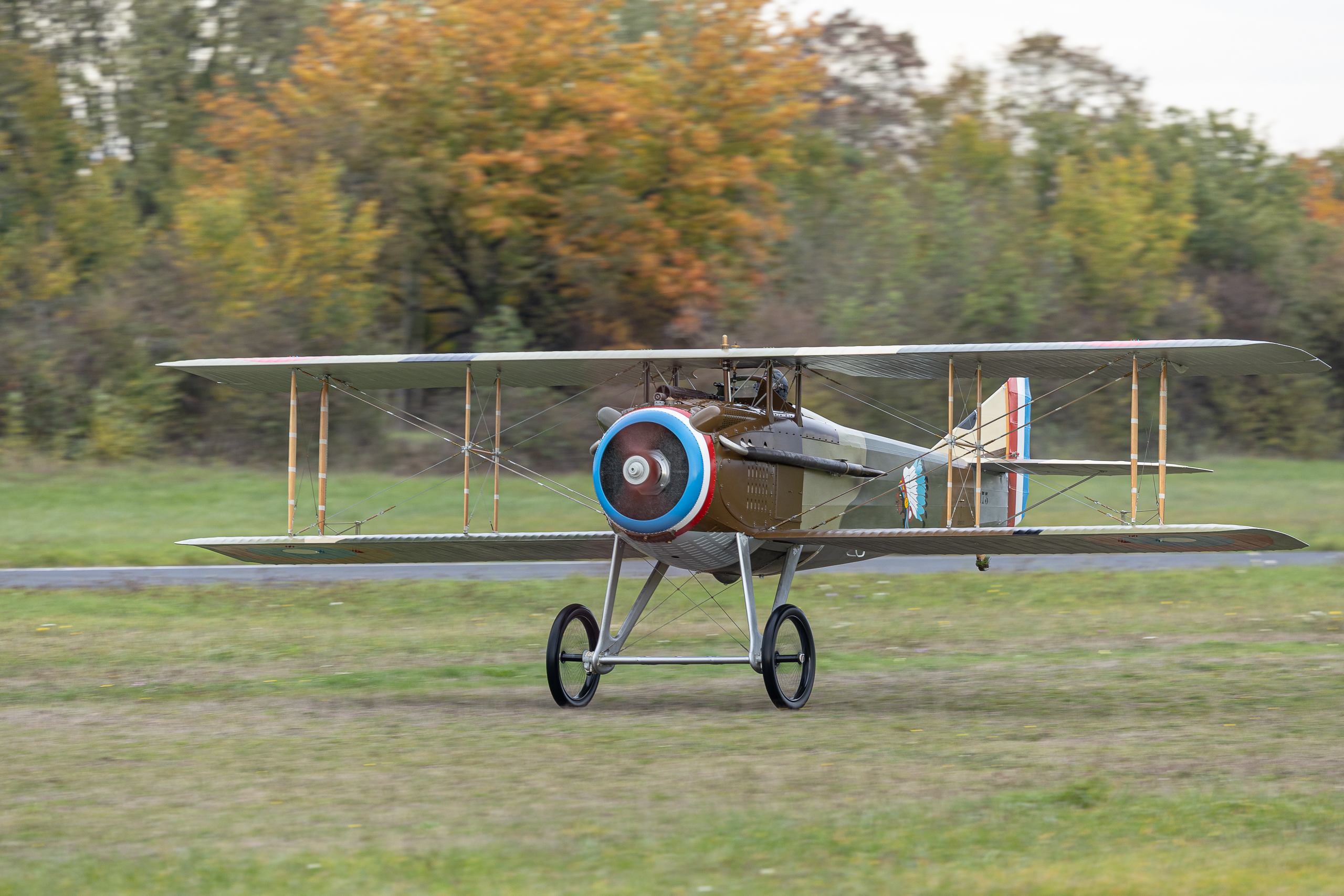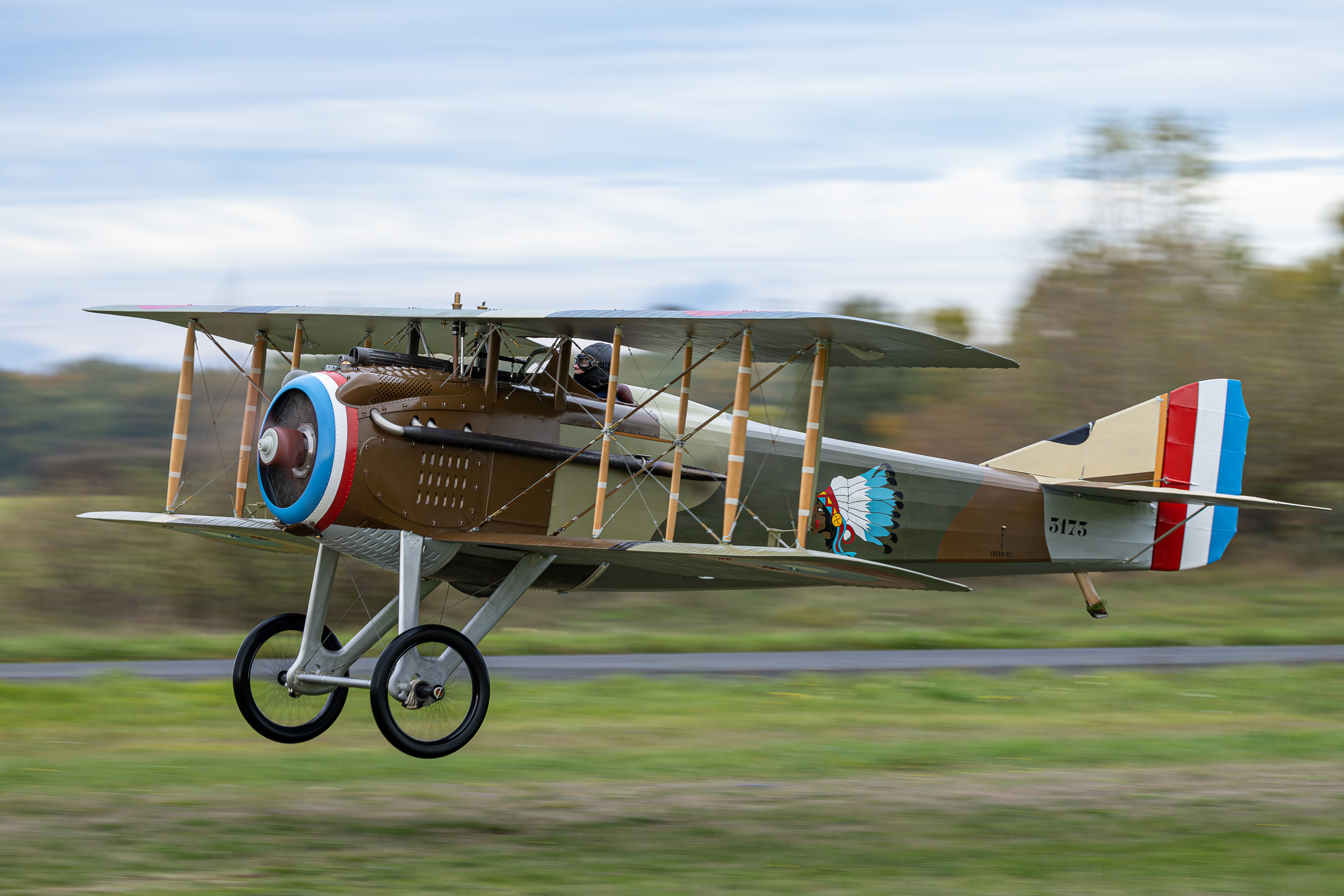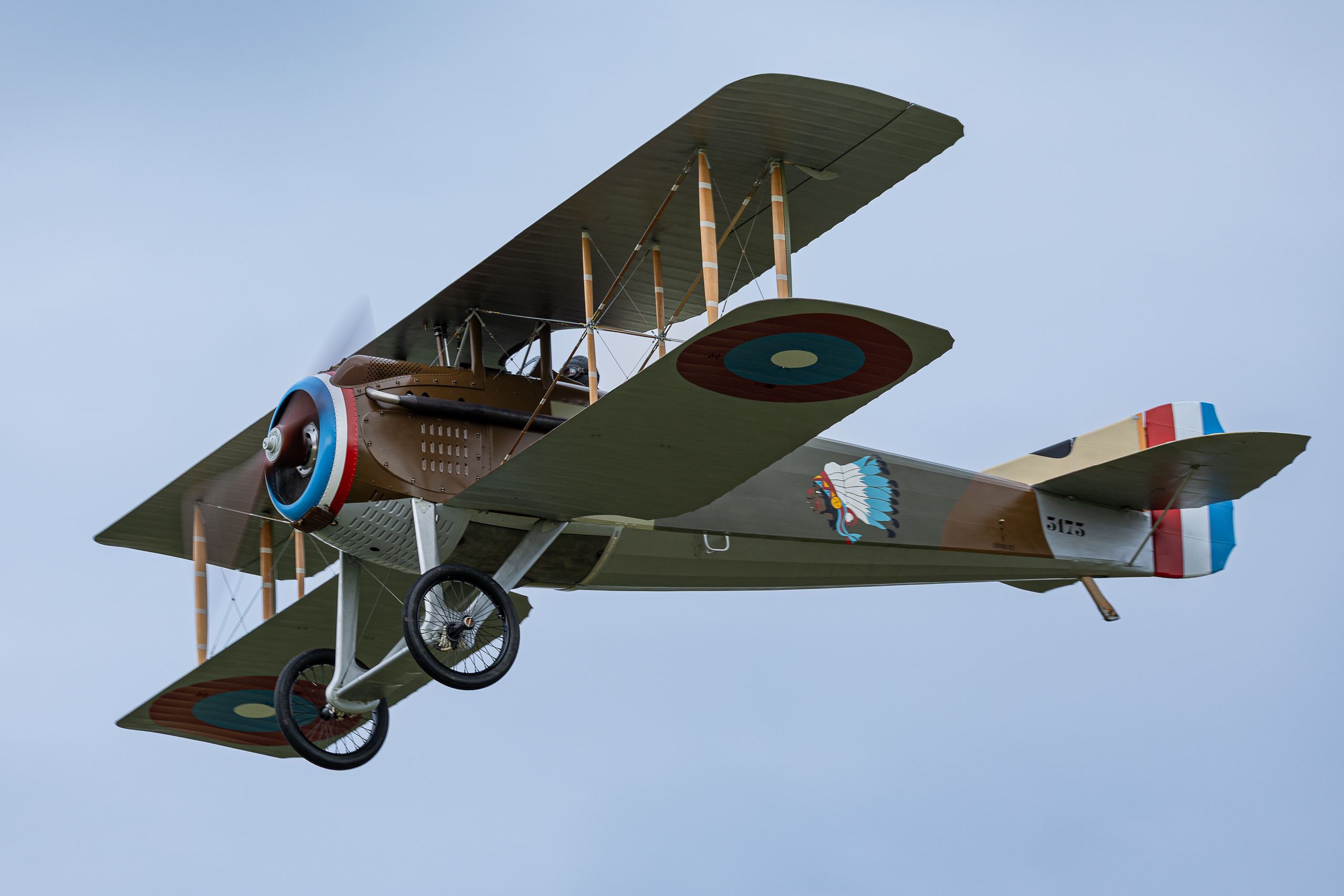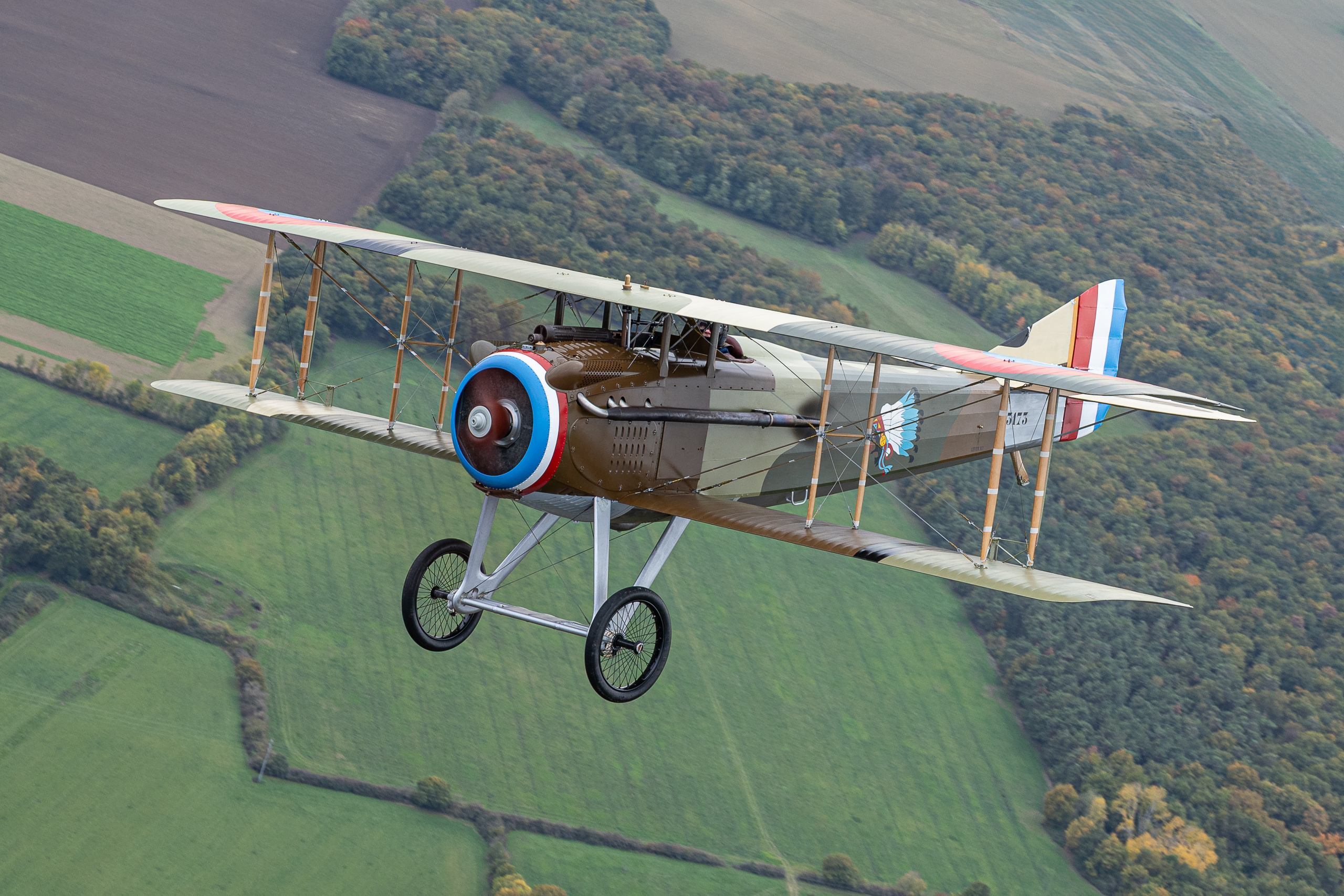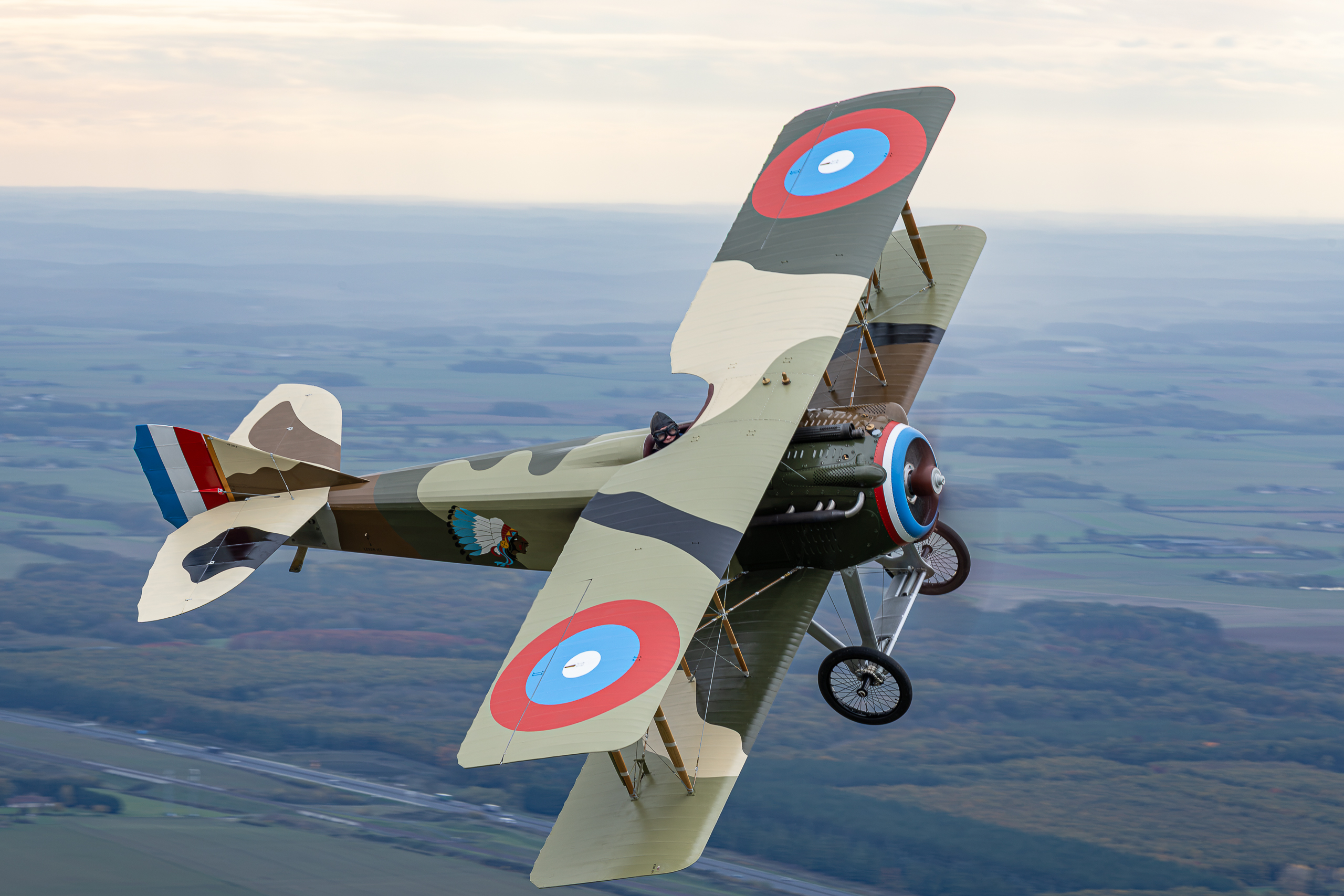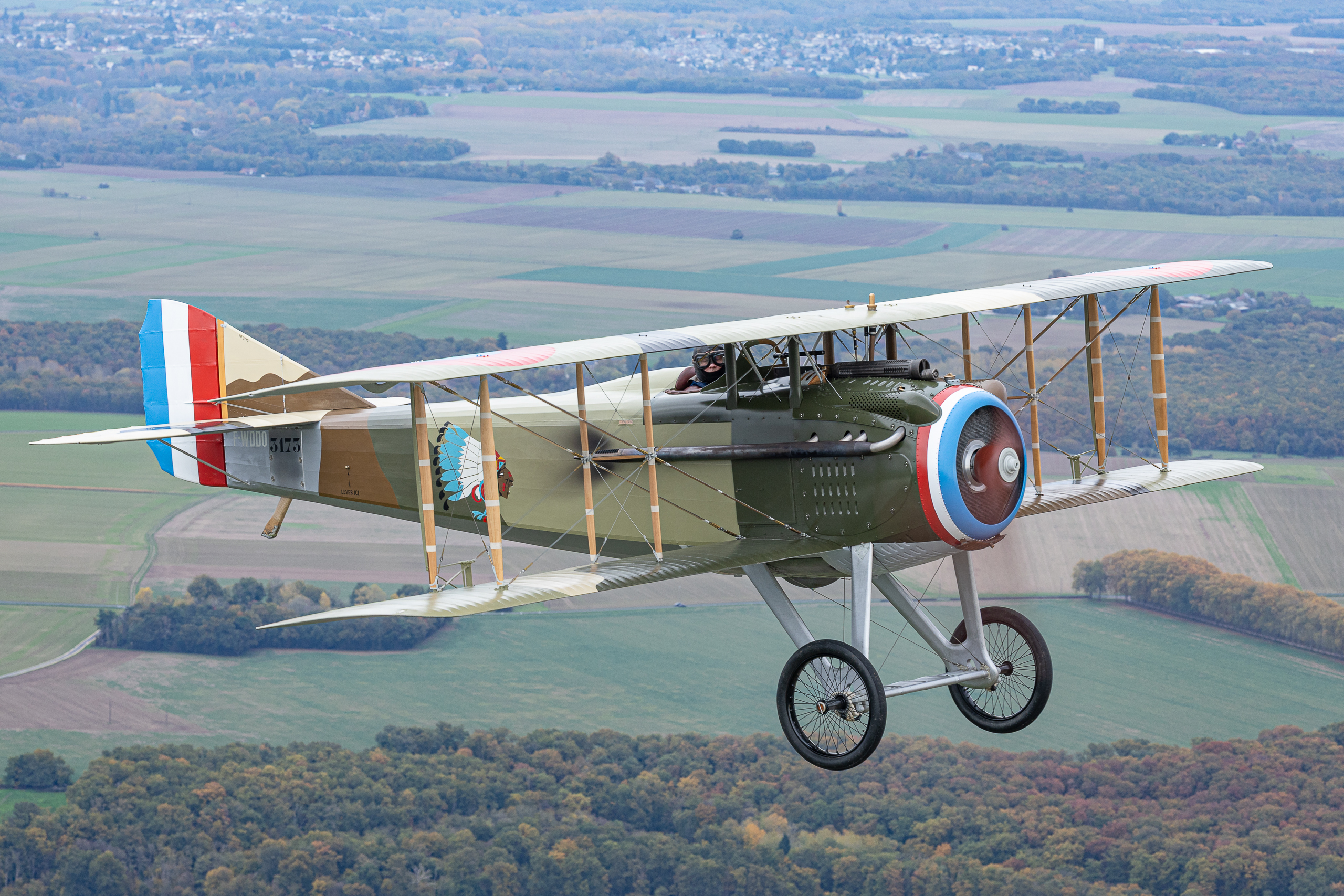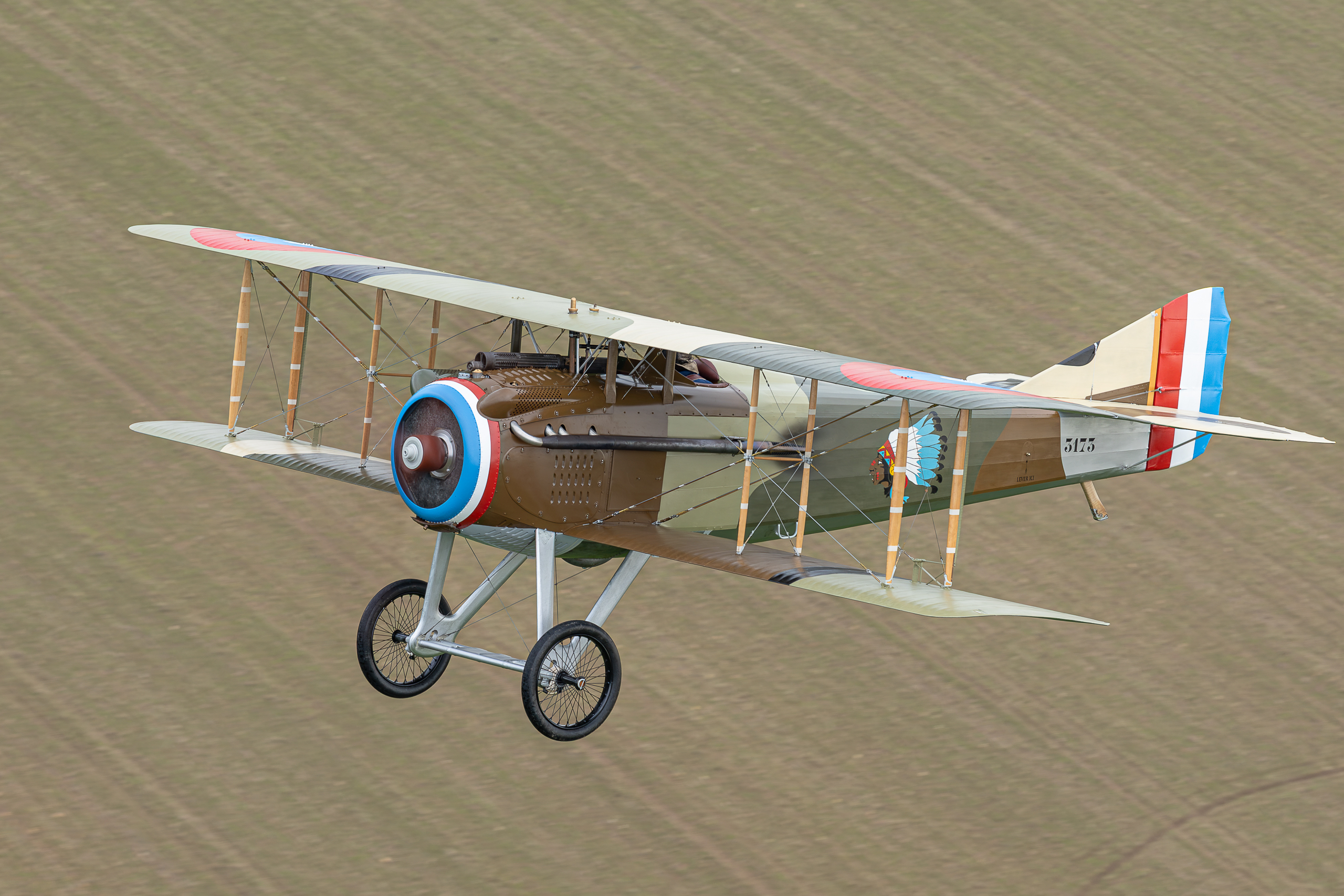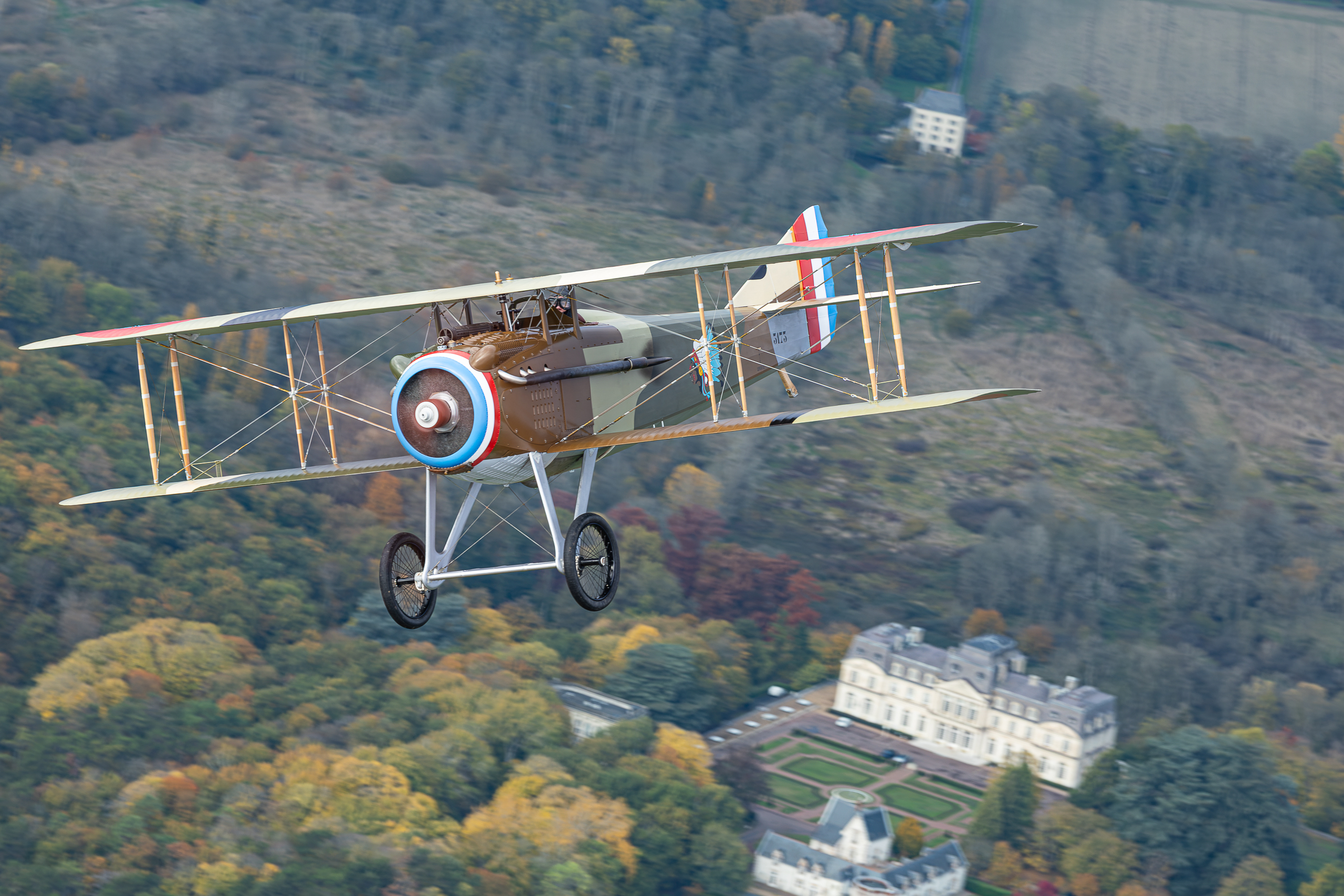
American Heritage Museum’s rare WWI fighter completes successful first flight November 10, followed by a symbolic Armistice Day tribute at 11:11 a.m. on November 11, 2026.
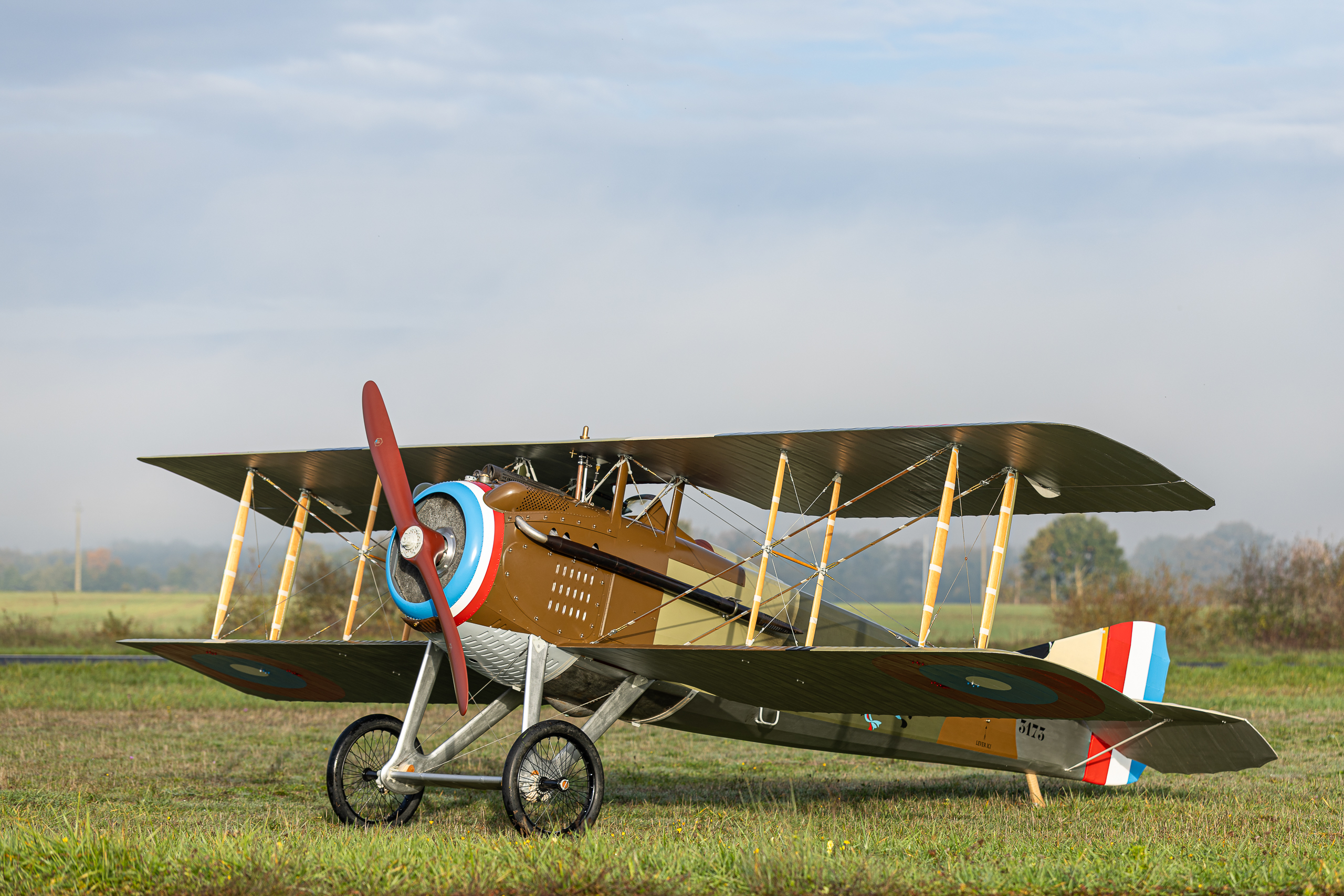
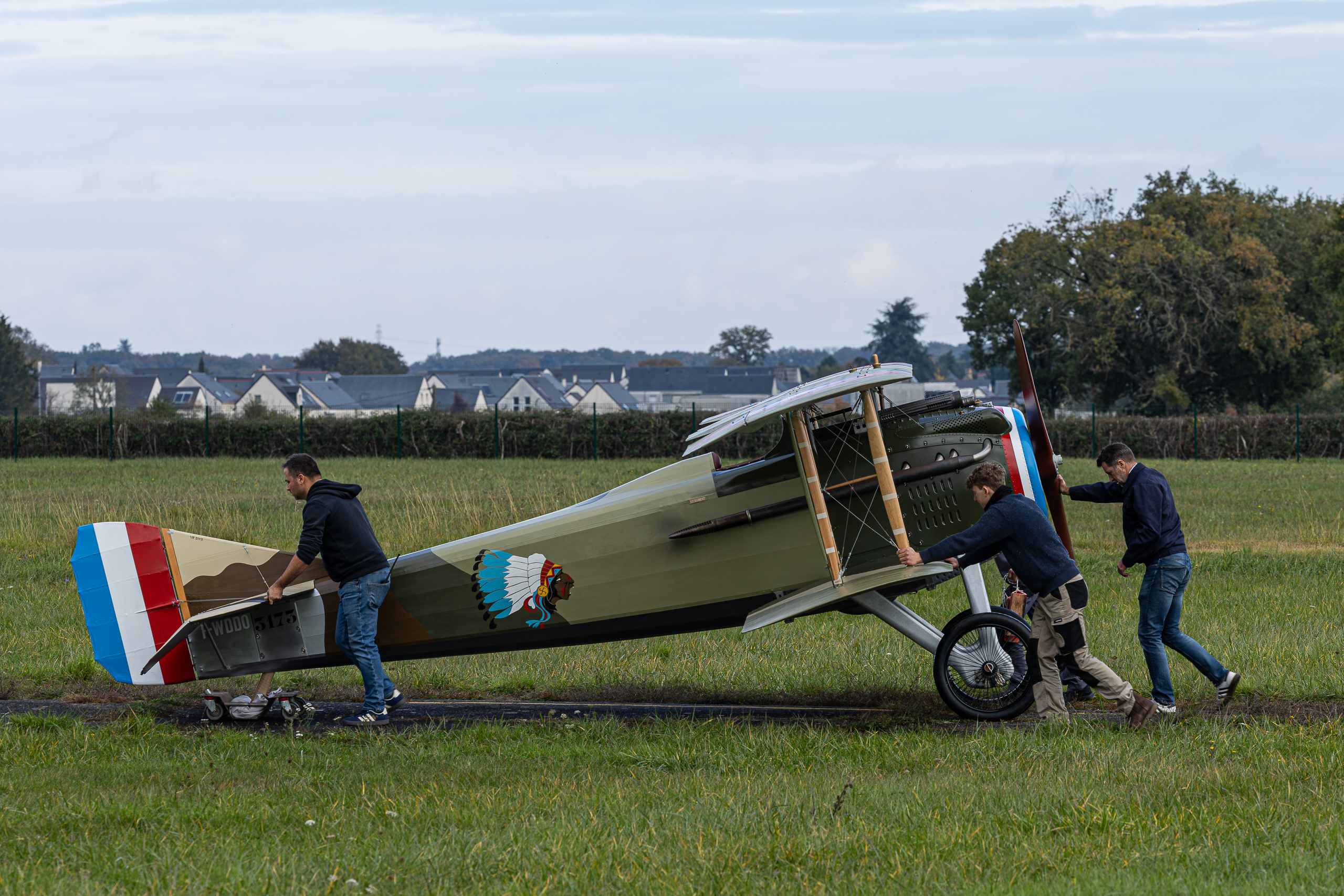
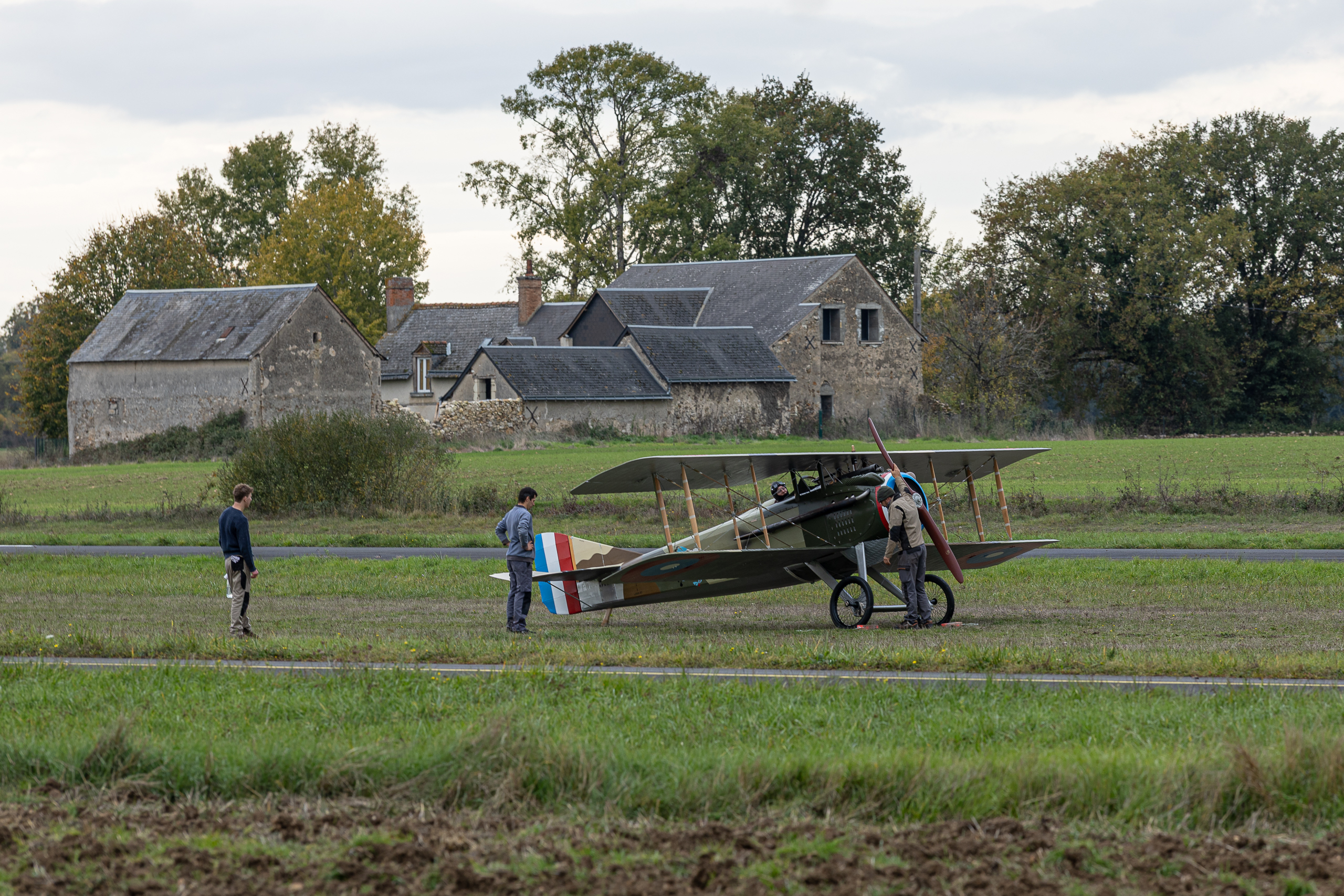
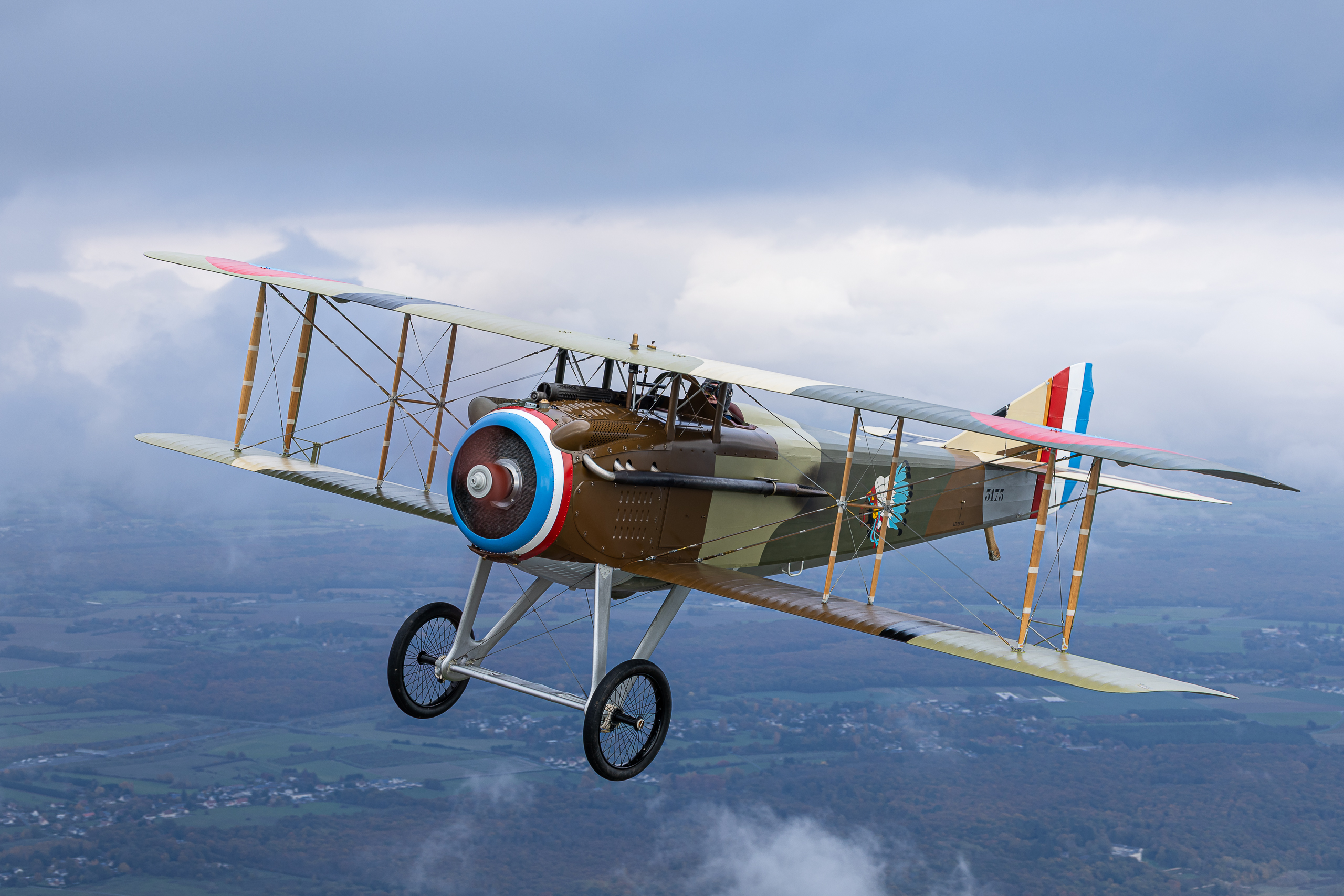
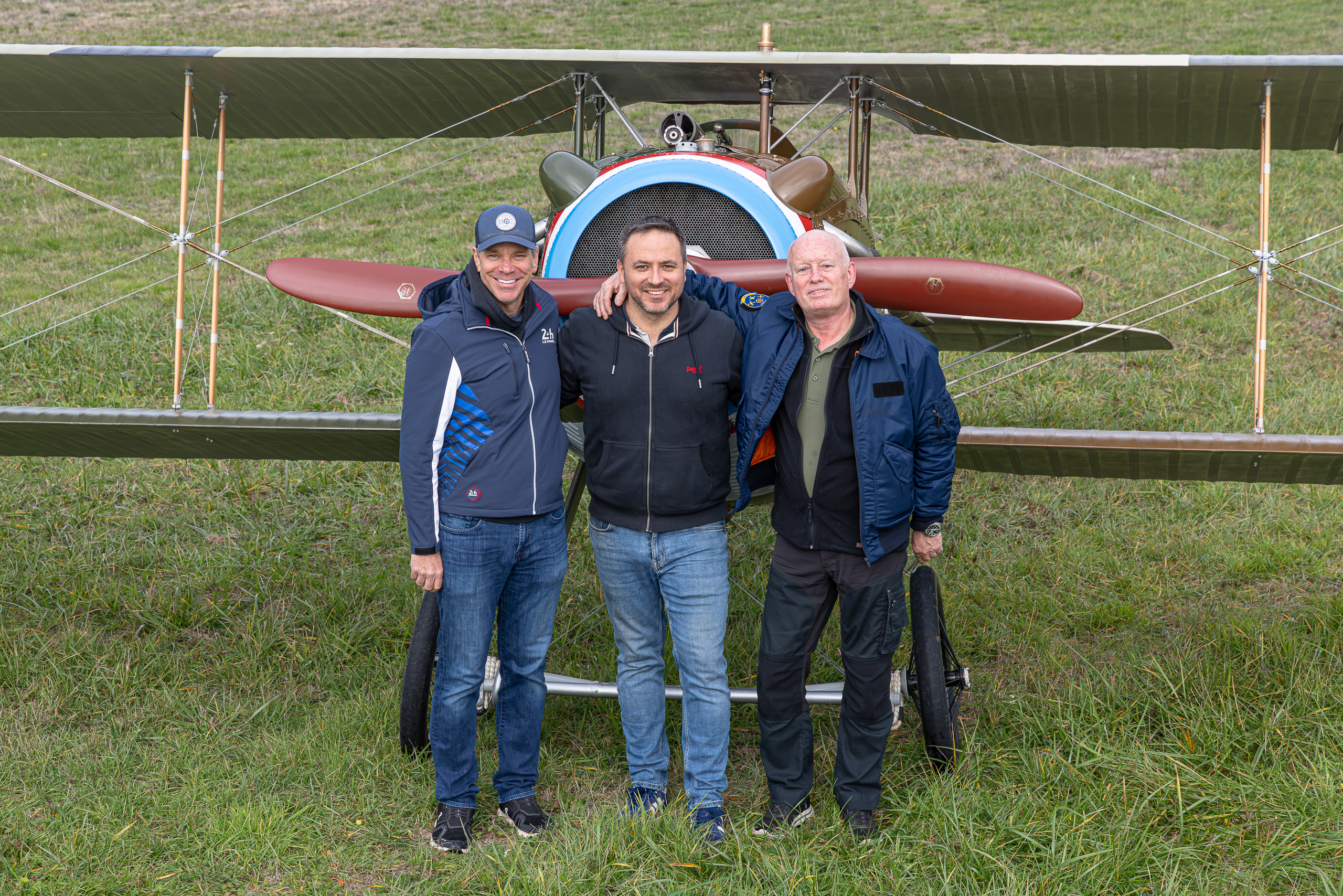
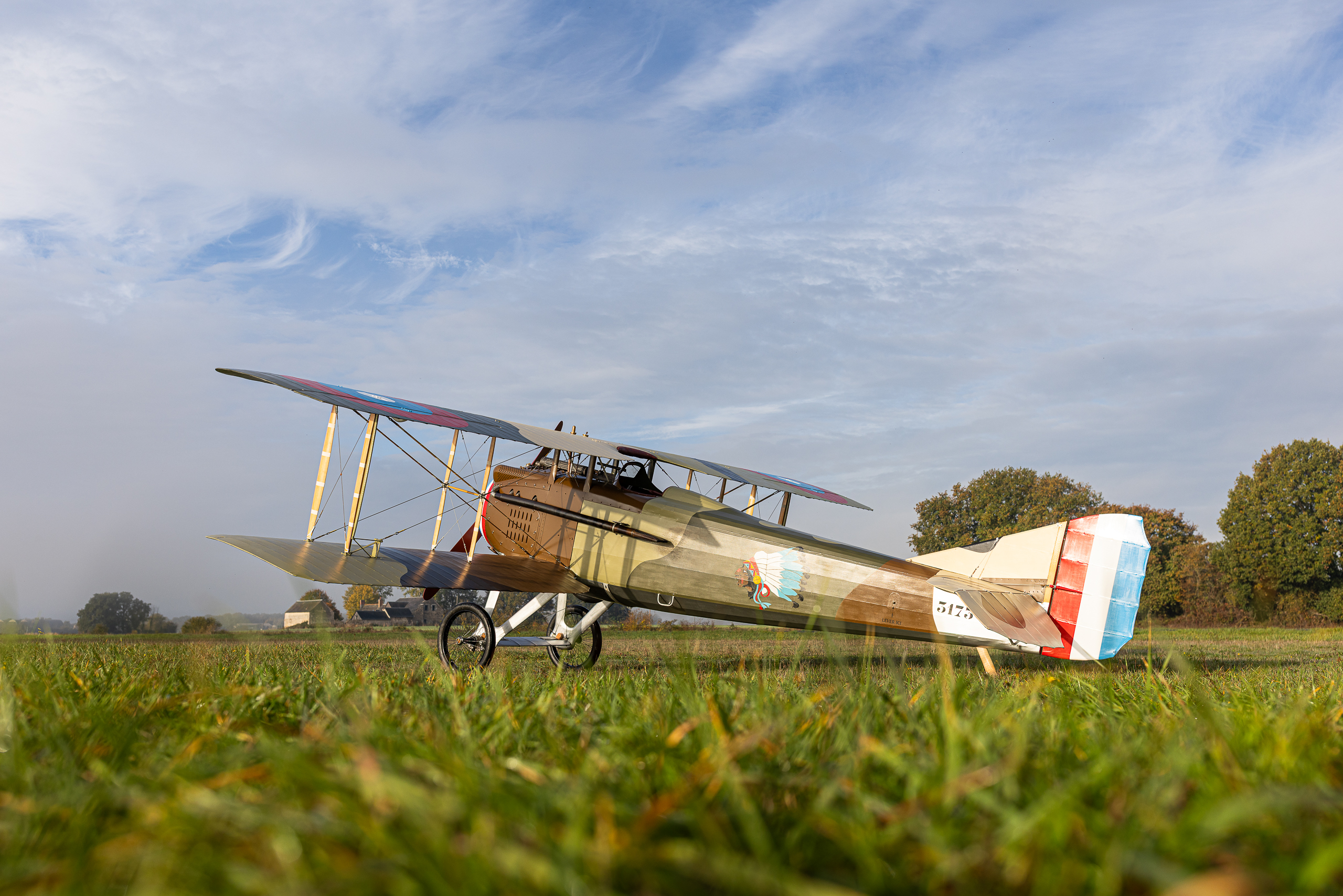
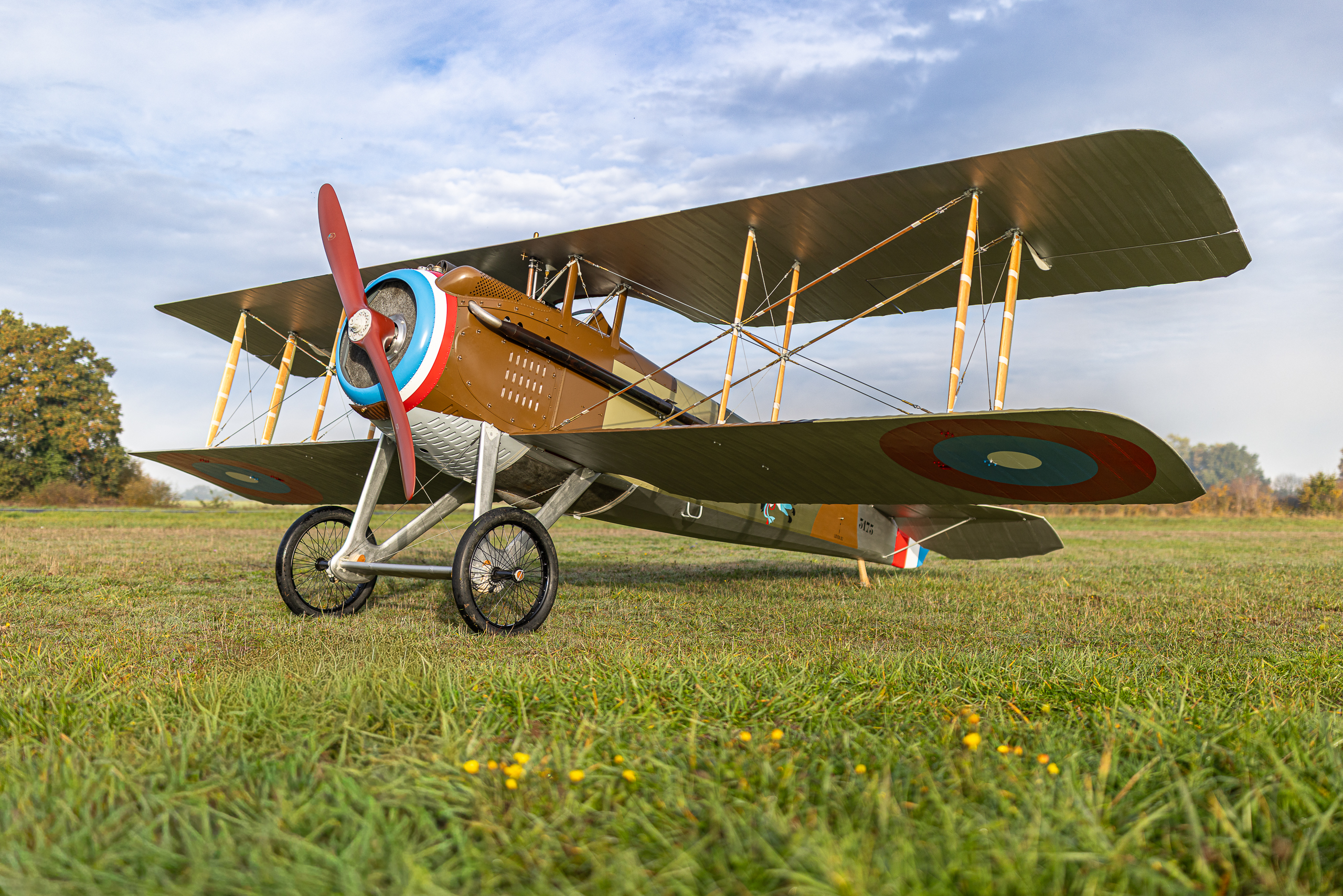
More than a century after the end of World War I, an extraordinary piece of aviation history has returned to the skies over France. On November 10, 2026, the American Heritage Museum’s historic SPAD S.VII fighter successfully completed its first post-restoration flight at Tours-Sorigny Airfield in France, marking a major milestone in an extensive restoration undertaken by Antoine Ros and his team at Early Aviators.
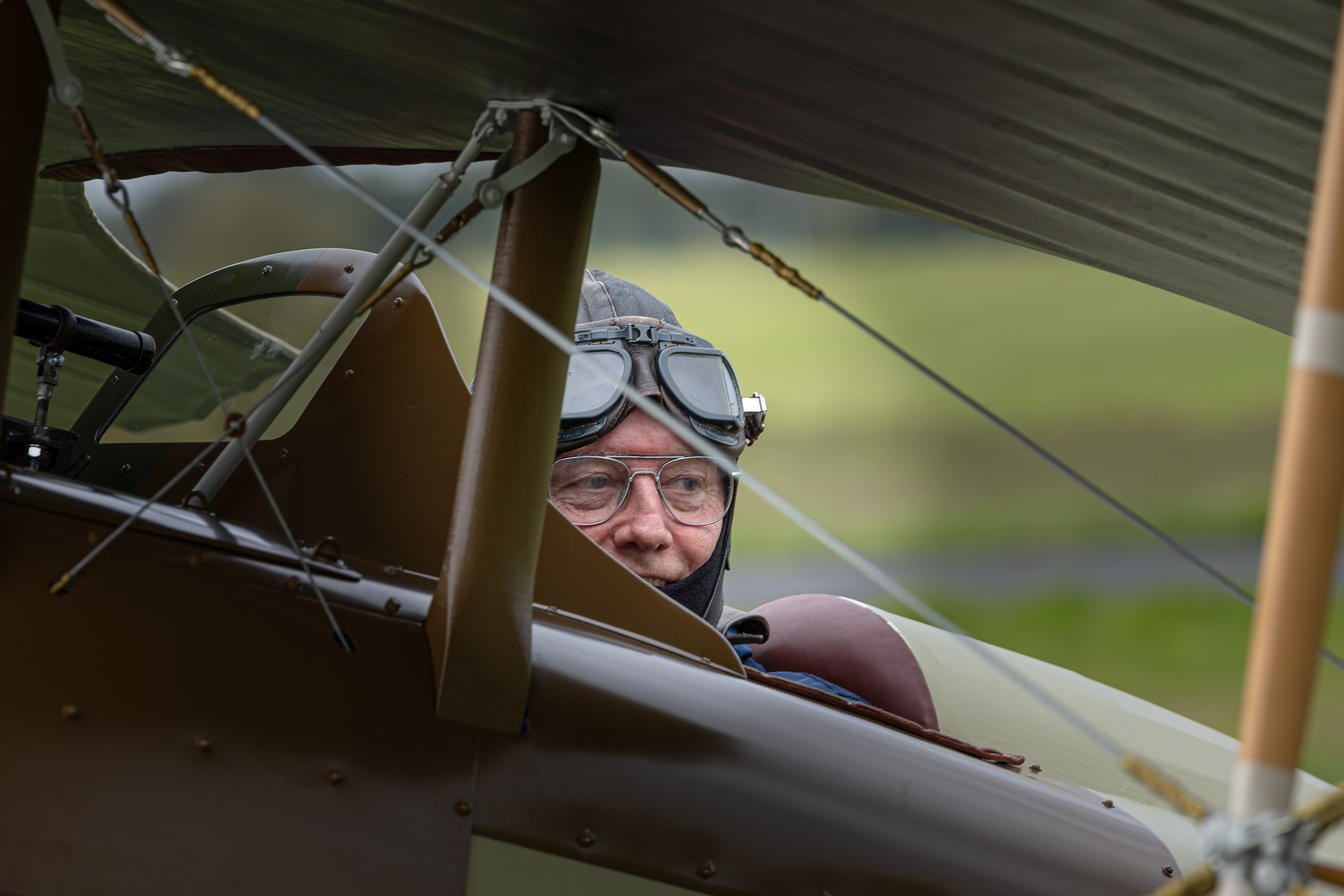
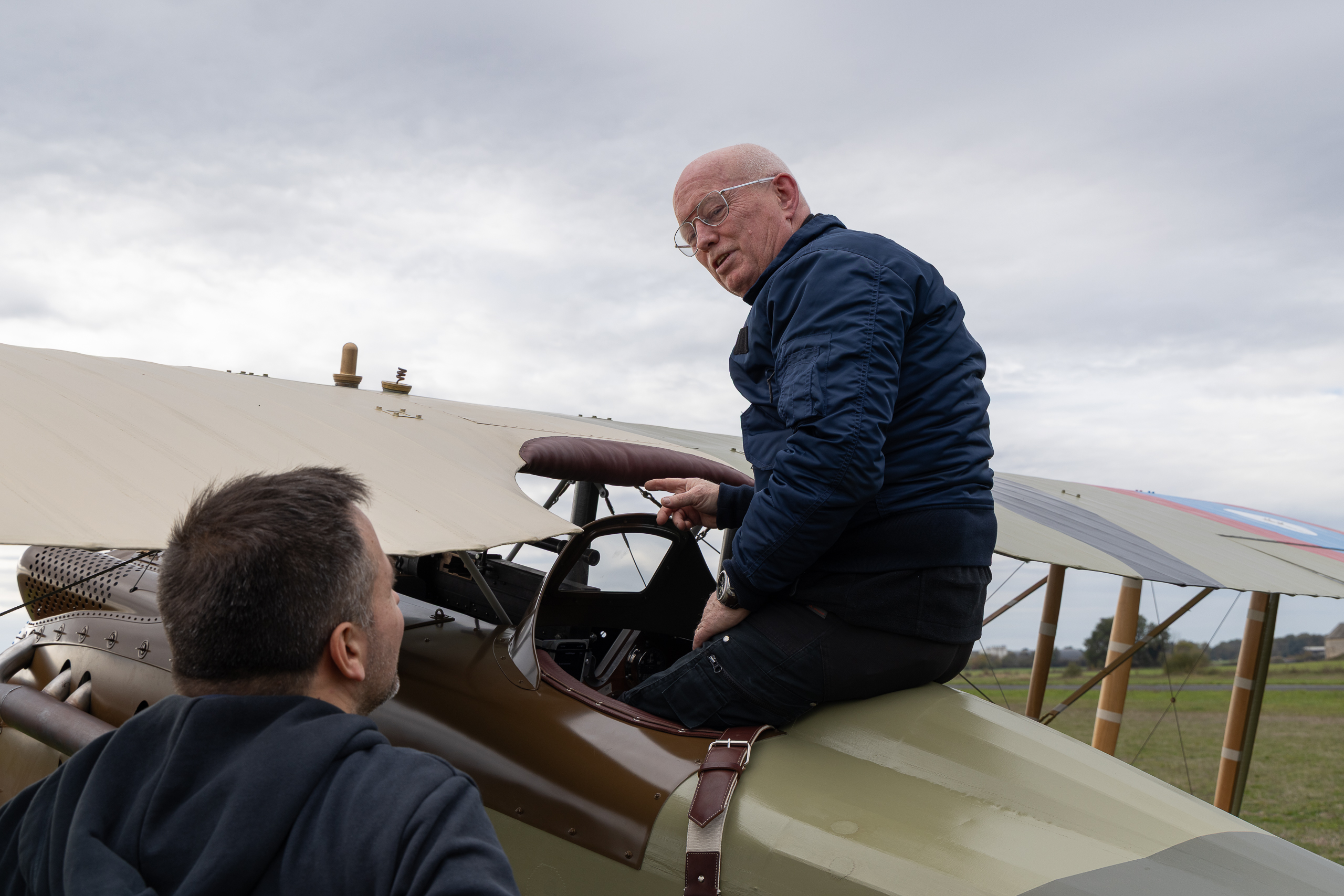
The historic first flight was conducted by renowned Swedish aviation restorer and test pilot Mikael Carlson, who has extensive experience flying some of the world’s rarest early aircraft. The successful flight represented the culmination of years of painstaking work to return this remarkable World War I fighter to airworthy condition.
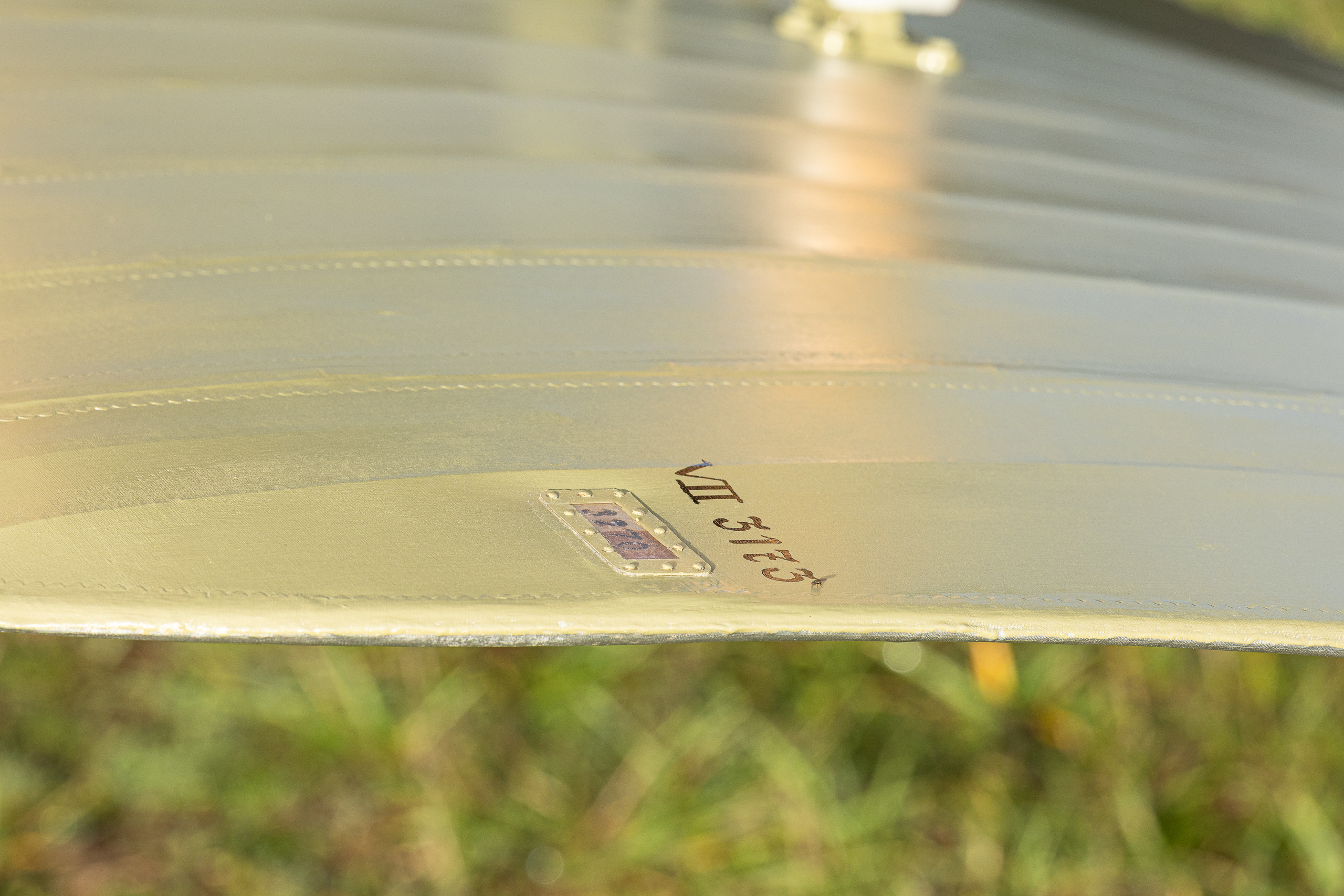
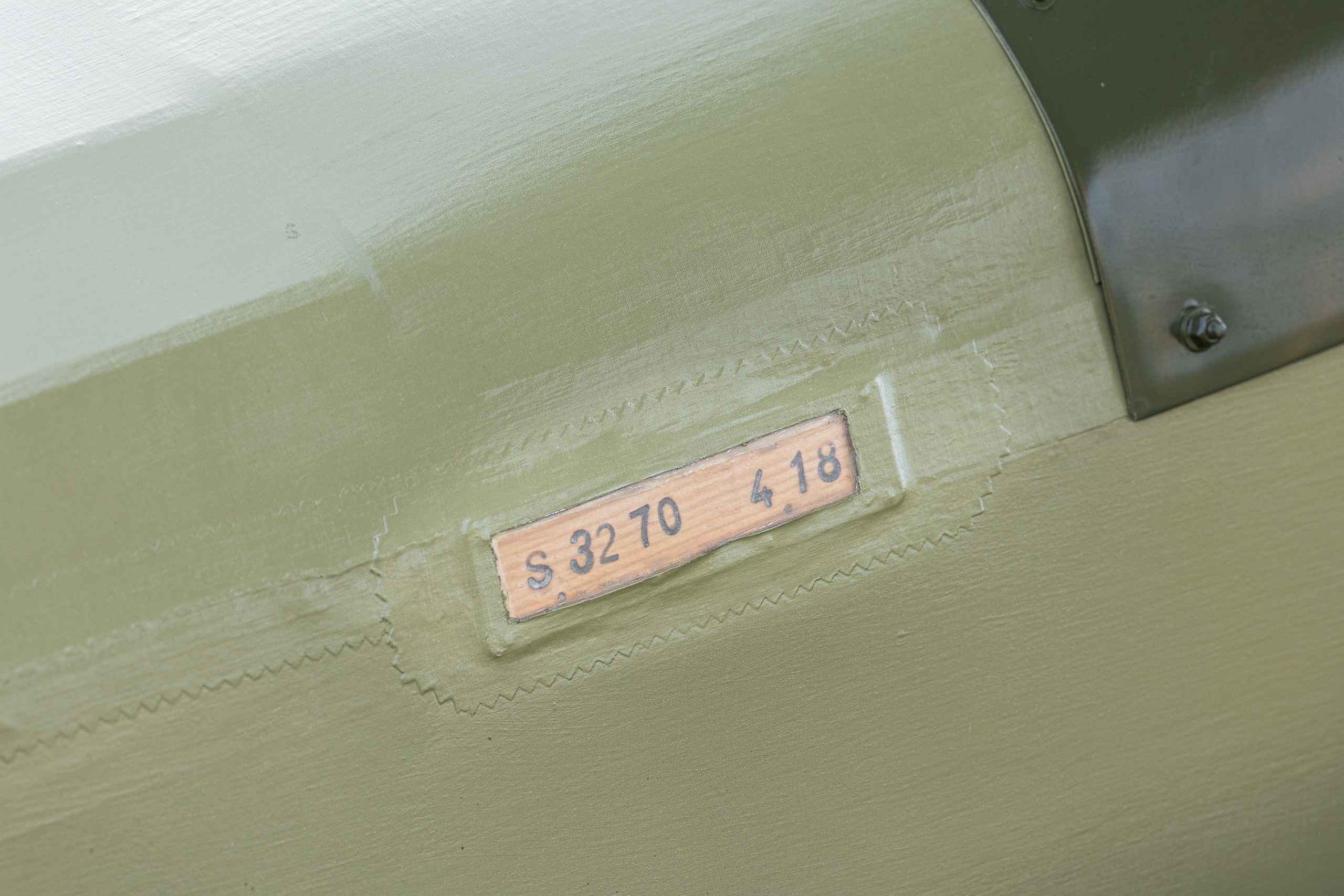
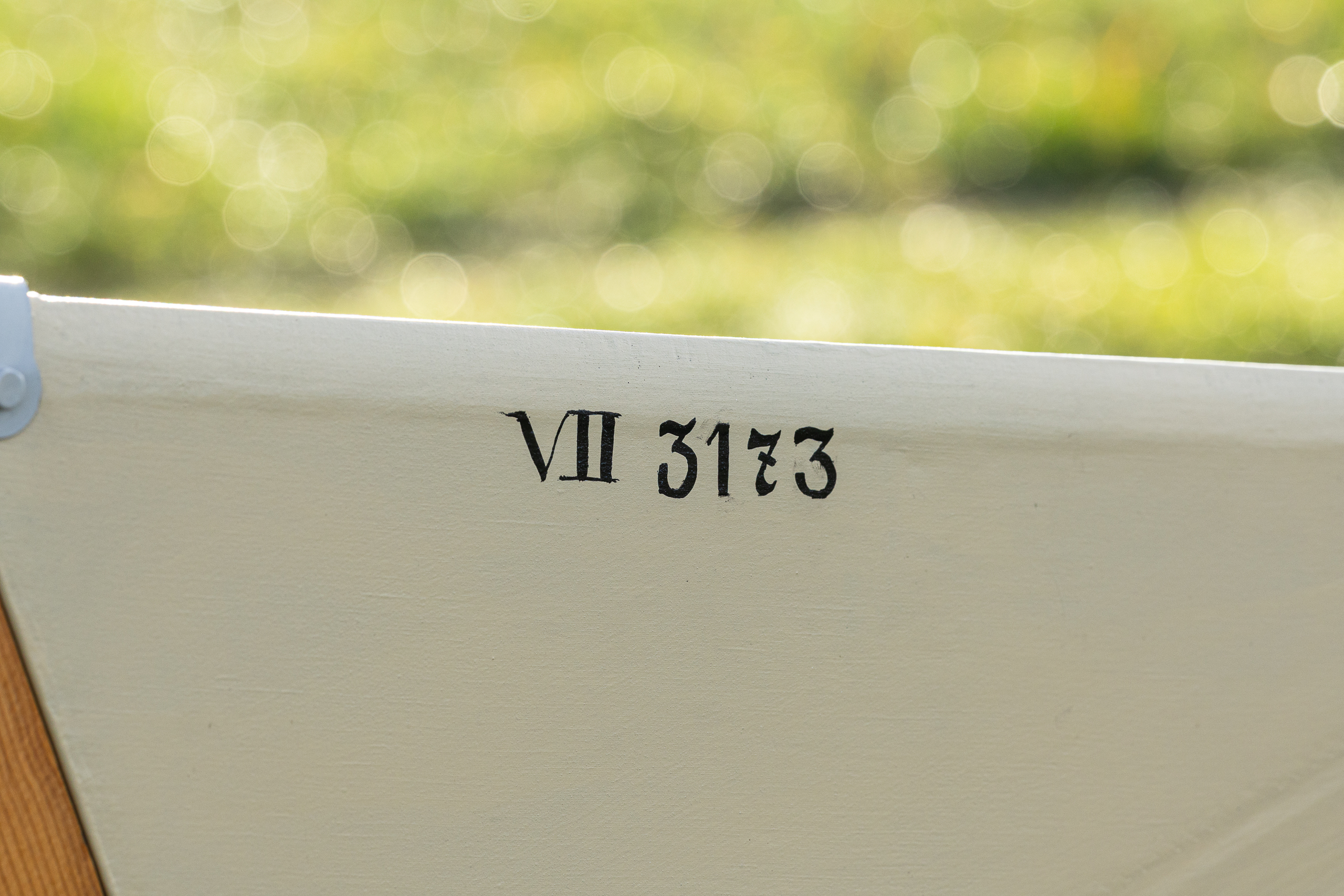
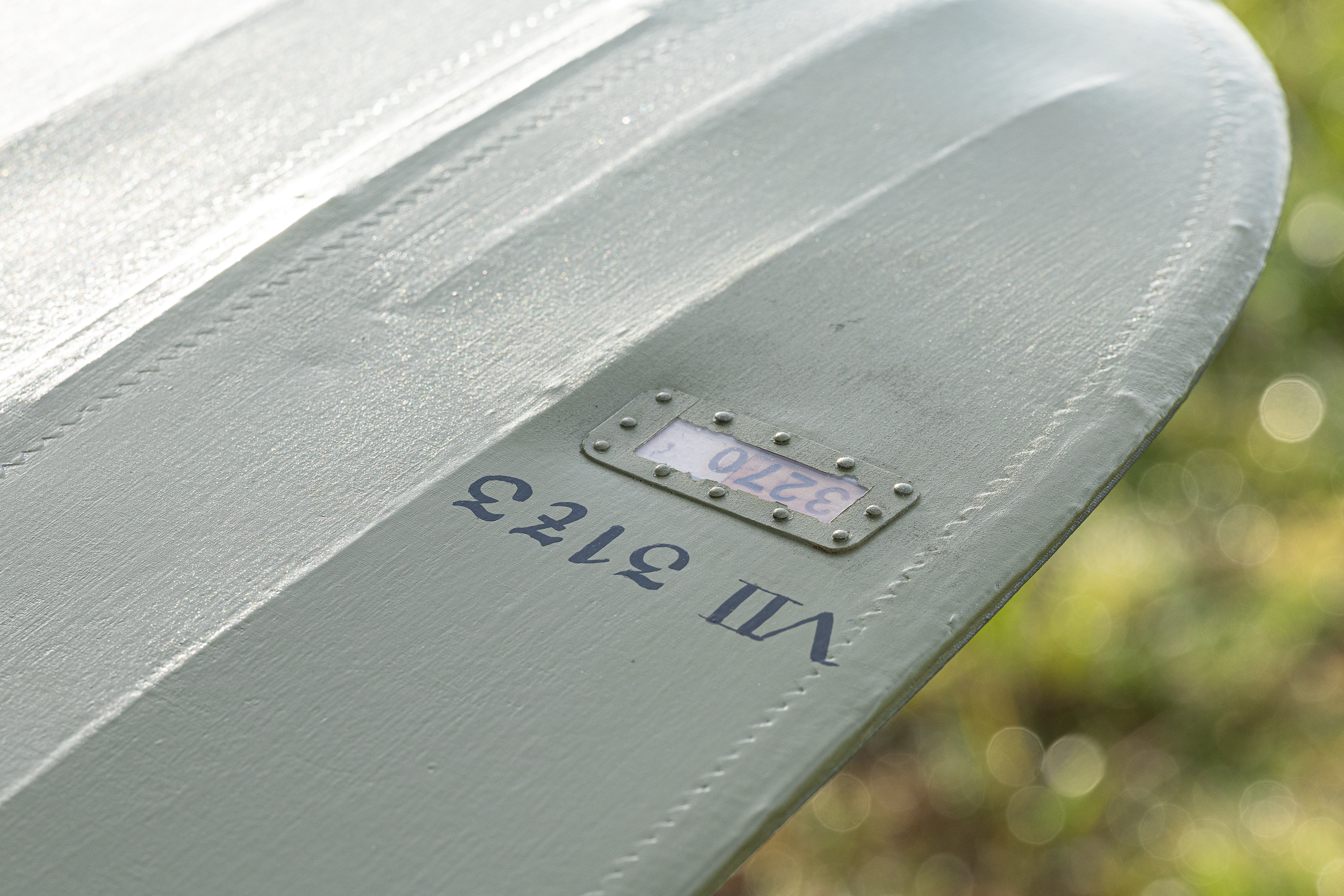
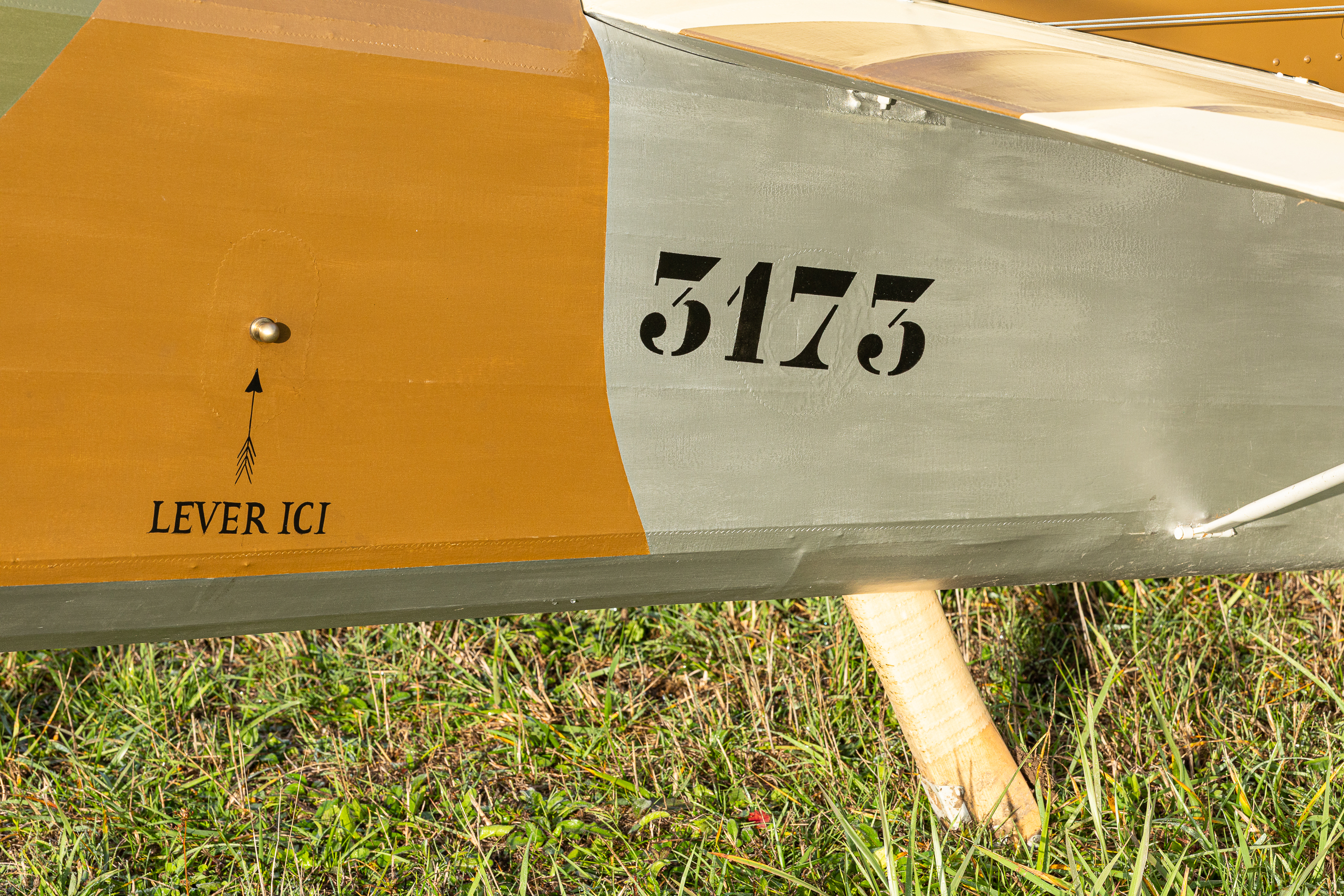
The aircraft, which incorporates original components dating to 1918, including its Hispano-Suiza V-8 engine, is believed to be the only airworthy SPAD S.VII in the world today. Its successful return to flight may also represent the first time an aircraft of this type with original wartime components has flown over France in more than 90 years.
An Armistice Day Tribute — November 11 at 11:11 a.m.
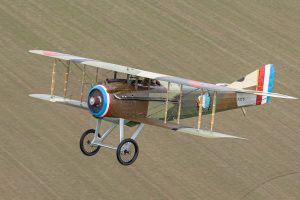
The following day, November 11, 2026, the aircraft took to the skies again for an especially meaningful flight.
At precisely 11:11 a.m. on the 108th anniversary of the Armistice that ended the fighting of World War I, American Heritage Museum President Rob Collings flew the SPAD S.VII above the French countryside in a deliberate tribute to the men and women who served and sacrificed during the Great War.
The timing carried profound symbolism. On November 11, 1918, the guns along the Western Front fell silent at 11:00 a.m. — the eleventh hour of the eleventh day of the eleventh month. By flying the aircraft at 11:11 a.m. on November 11, the museum honored that defining moment in world history and the generation whose courage and sacrifice helped bring the conflict to an end.
It was a fitting tribute from an aircraft type that had once flown above those very battlefields.
Preserving an Authentic World War I Fighter
The SPAD S.VII was among the most important Allied fighter aircraft of World War I. Introduced into service in 1916, its rugged construction, powerful Hispano-Suiza engine, and exceptional diving performance made it a formidable aircraft in the hands of French and American aviators.
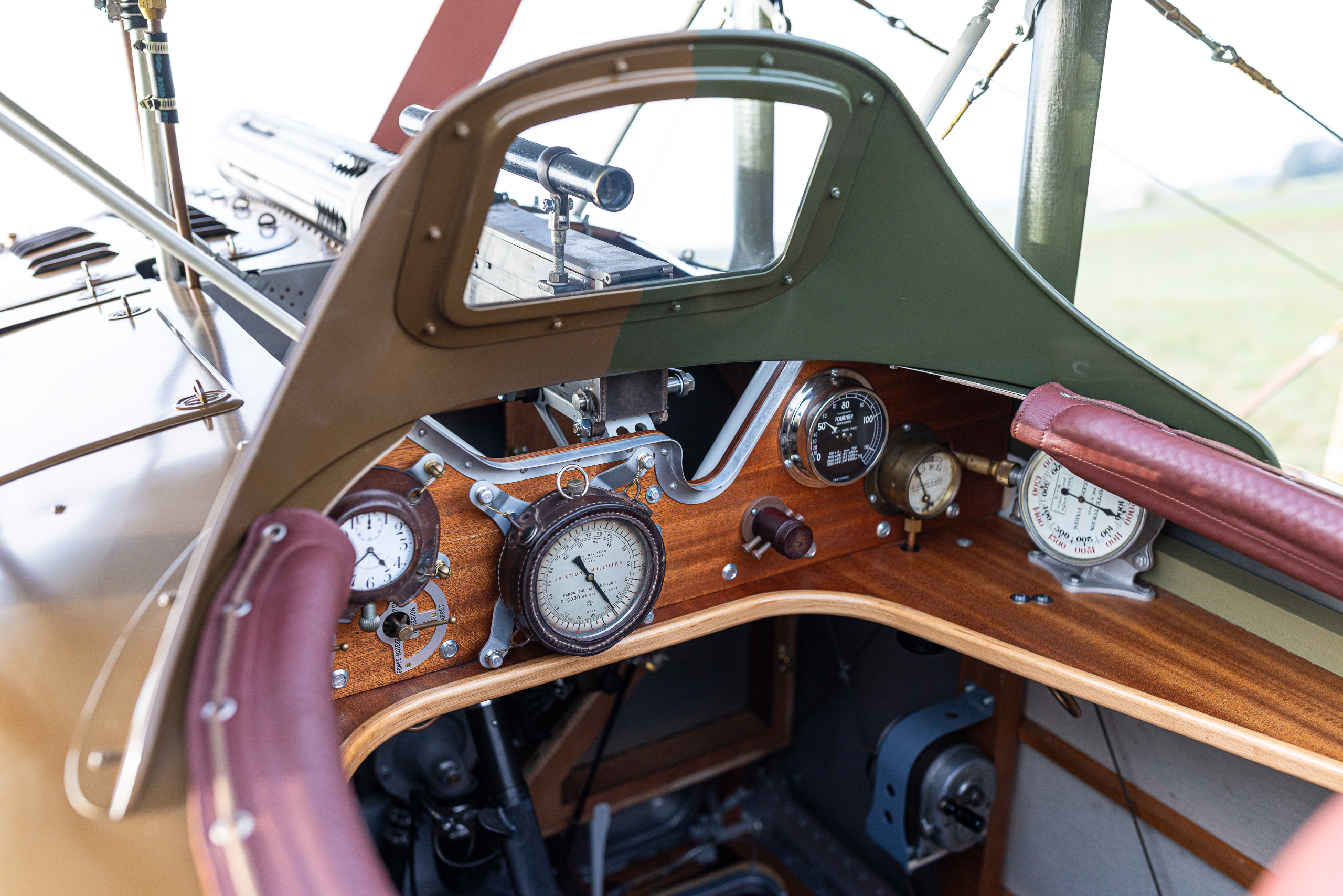
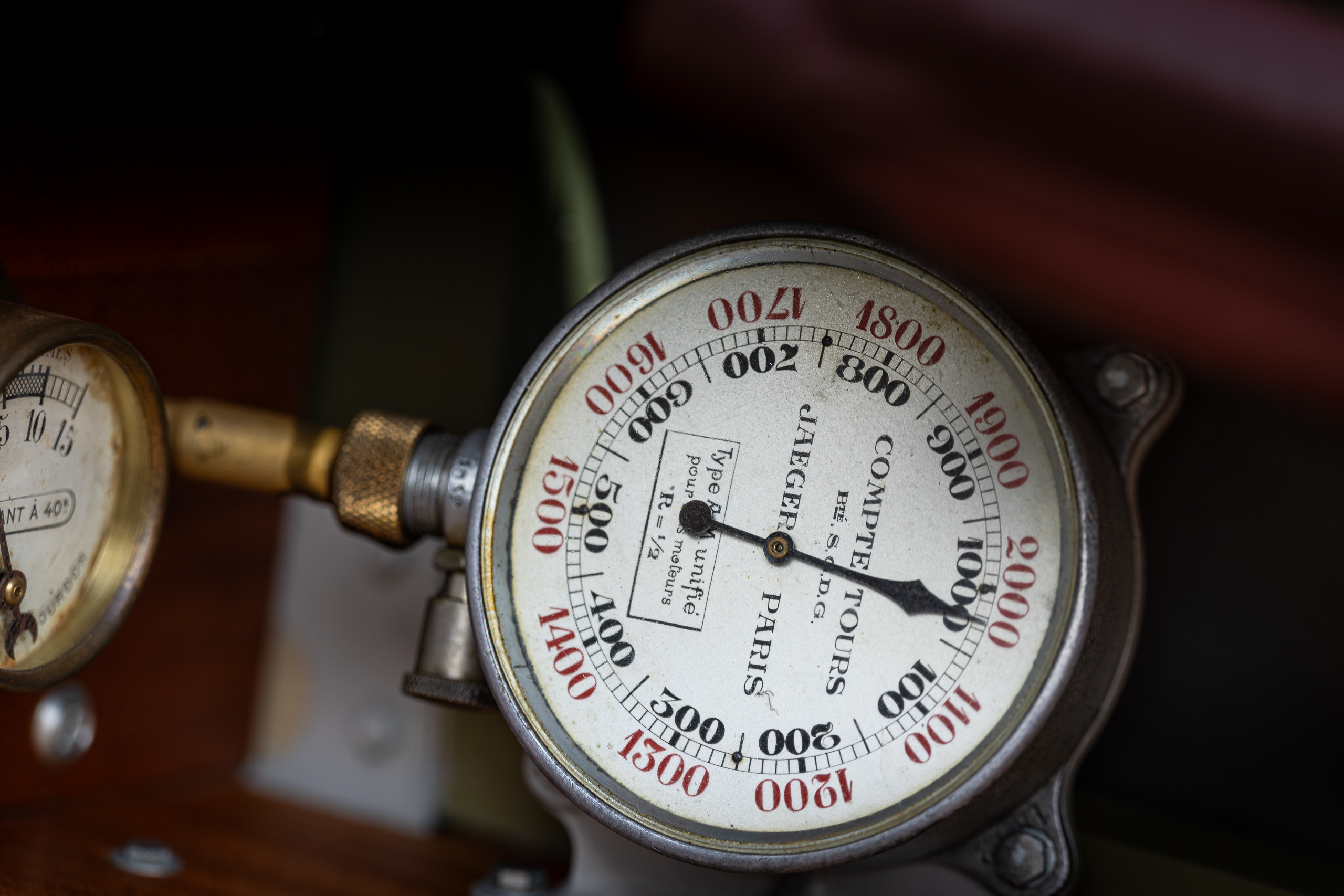
The American Heritage Museum’s SPAD incorporates many surviving components from an original aircraft built in France in 1918. Its extensive reconstruction and restoration by Early Aviators combines authentic historic elements, including an original Hispano-Suiza engine, with painstakingly recreated components produced using original plans and traditional construction methods.
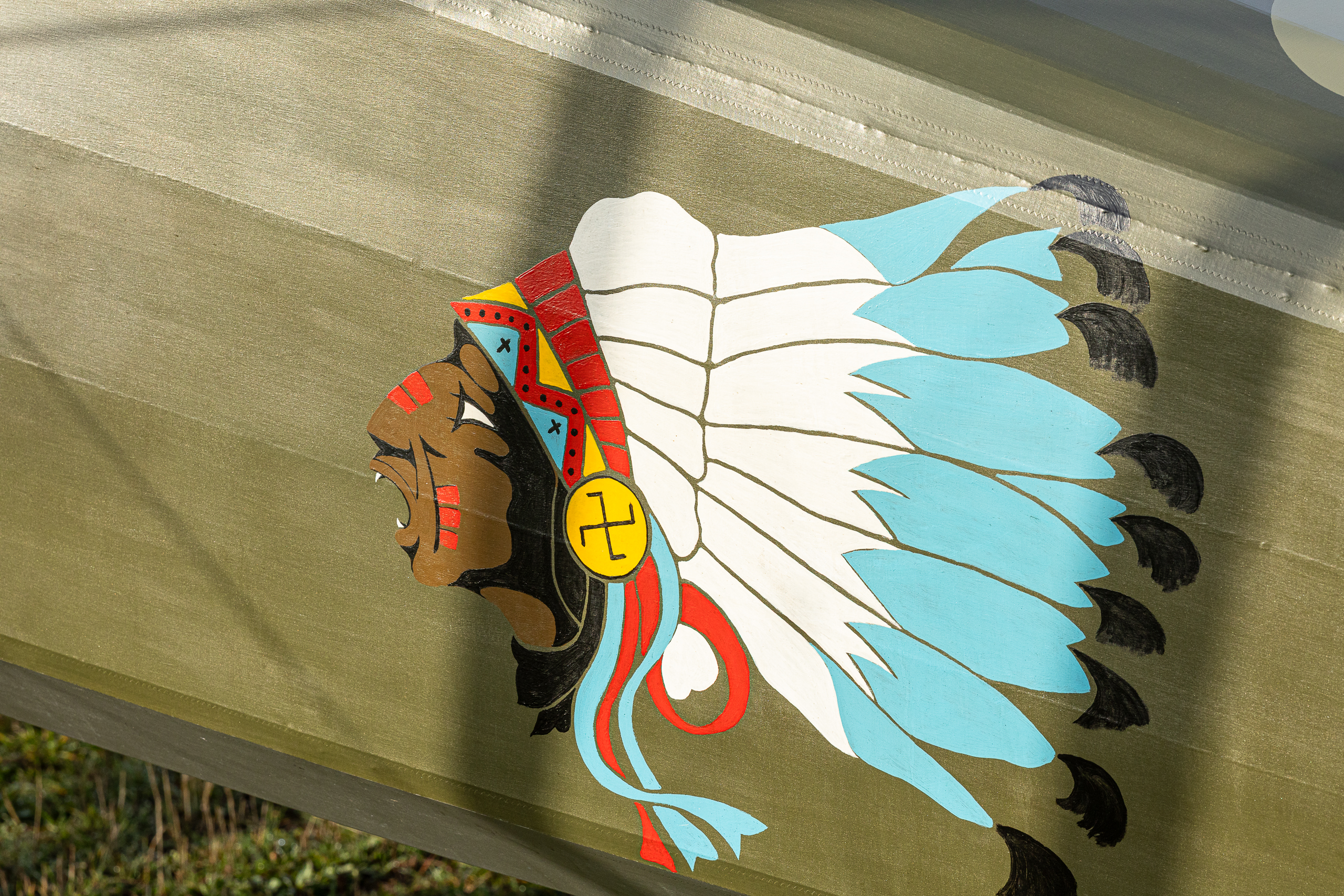
The aircraft is finished in the markings of American World War I aviator Paul Frank Baer, a member of the Lafayette Flying Corps who became the first ace of the U.S. Army Air Service on April 23, 1918. Credited with nine aerial victories, Baer was shot down and captured in May 1918 and remained a prisoner of war when the Armistice ended the fighting that November.
Flying a SPAD bearing Baer’s markings on Armistice Day was an especially meaningful way to honor his remarkable service and the experiences of the American volunteers who fought in the skies over France.
This restoration was made possible through the extraordinary generosity of a dedicated supporter of the American Heritage Museum, whose commitment to preserving aviation history has helped bring an exceedingly rare aircraft back to life.
A Growing World War I Aviation Collection
Earlier in 2026, the restored SPAD S.VII was featured at the 110th anniversary celebration of Escadron de Chasse 2/4 La Fayette at Saint-Dizier Air Base in France, where it was displayed alongside a modern French Air and Space Force Dassault Rafale B. That historic appearance celebrated the enduring relationship between France and the United States that began with American volunteer aviators serving in French squadrons during World War I.
Following additional flying in Europe, the SPAD is expected to be joined in France by the museum’s original, airworthy Nieuport 28 C-1 fighter, restored in the markings of American ace Douglas Campbell. Both aircraft are planned to participate in commemorations surrounding the 110th anniversary of the United States’ entry into World War I in April 2027.
The aircraft will ultimately become part of the American Heritage Museum’s expanding World War I aviation collection, alongside an original Caudron G.4 currently undergoing restoration by Early Aviators. Together with the museum’s substantial collection of World War I uniforms, artifacts, and historical material, these aircraft will help form a comprehensive World War I Aviation Gallery in the museum’s planned Aviation Wing expansion.
The successful return to flight of the SPAD S.VII represents much more than an extraordinary technical achievement. It is a testament to the dedication of historians, restorers, pilots, and donors who believe that preserving authentic history allows future generations to better understand the sacrifices and accomplishments of those who came before us.
On November 11, 2026, the sound of a century-old fighter engine over France became a living tribute to the generation that fought the world’s first great air war.
Image Gallery