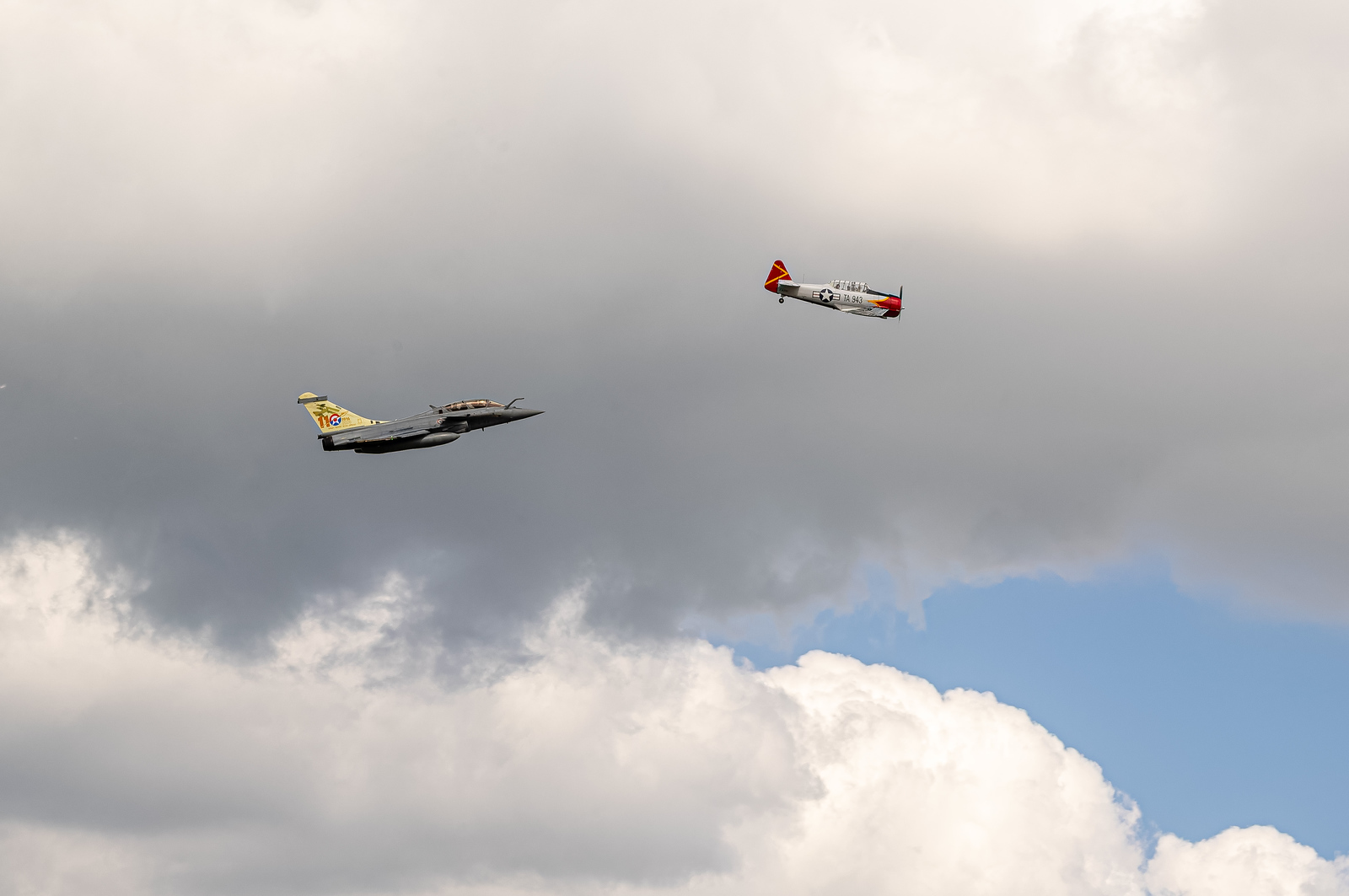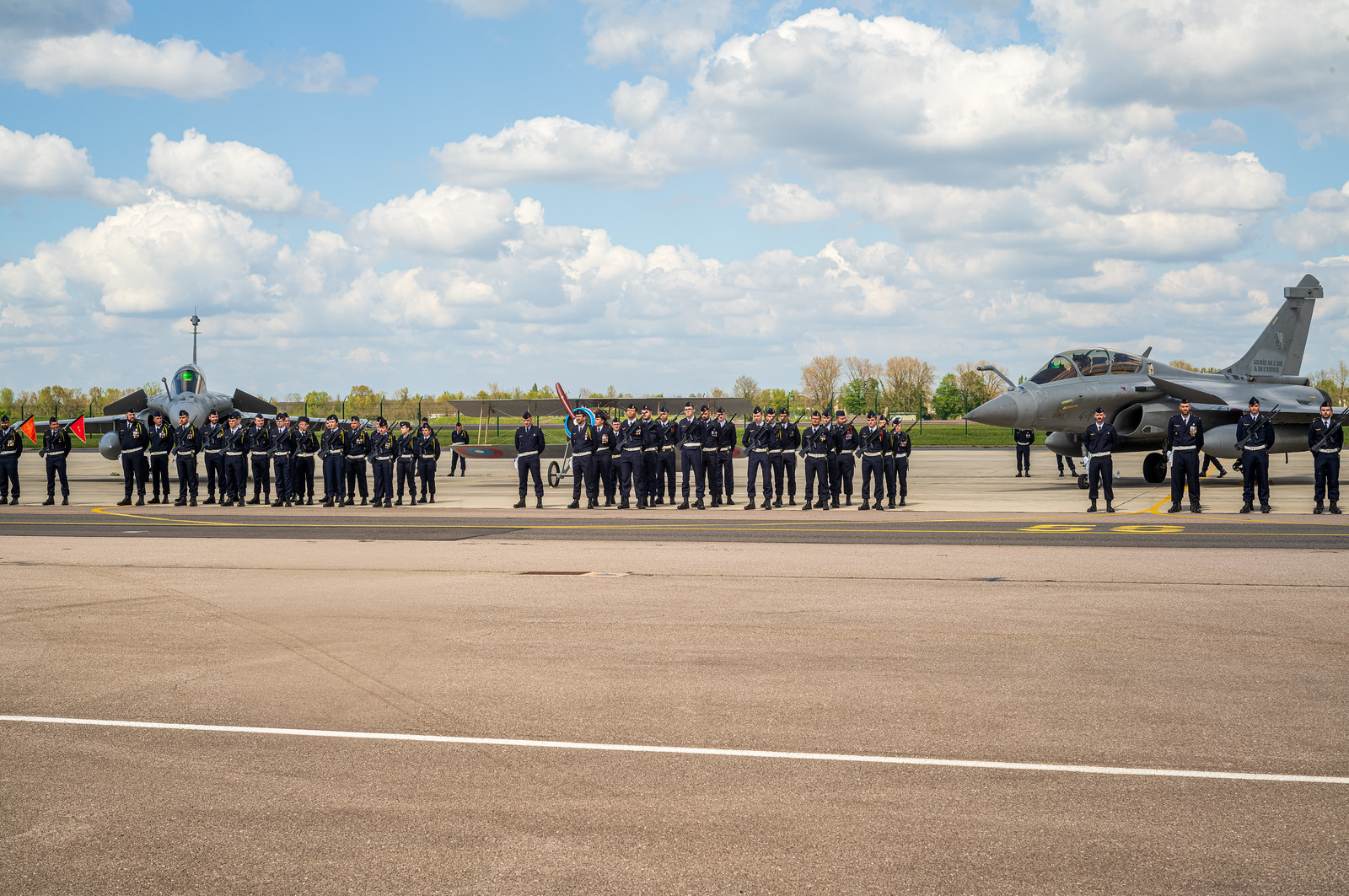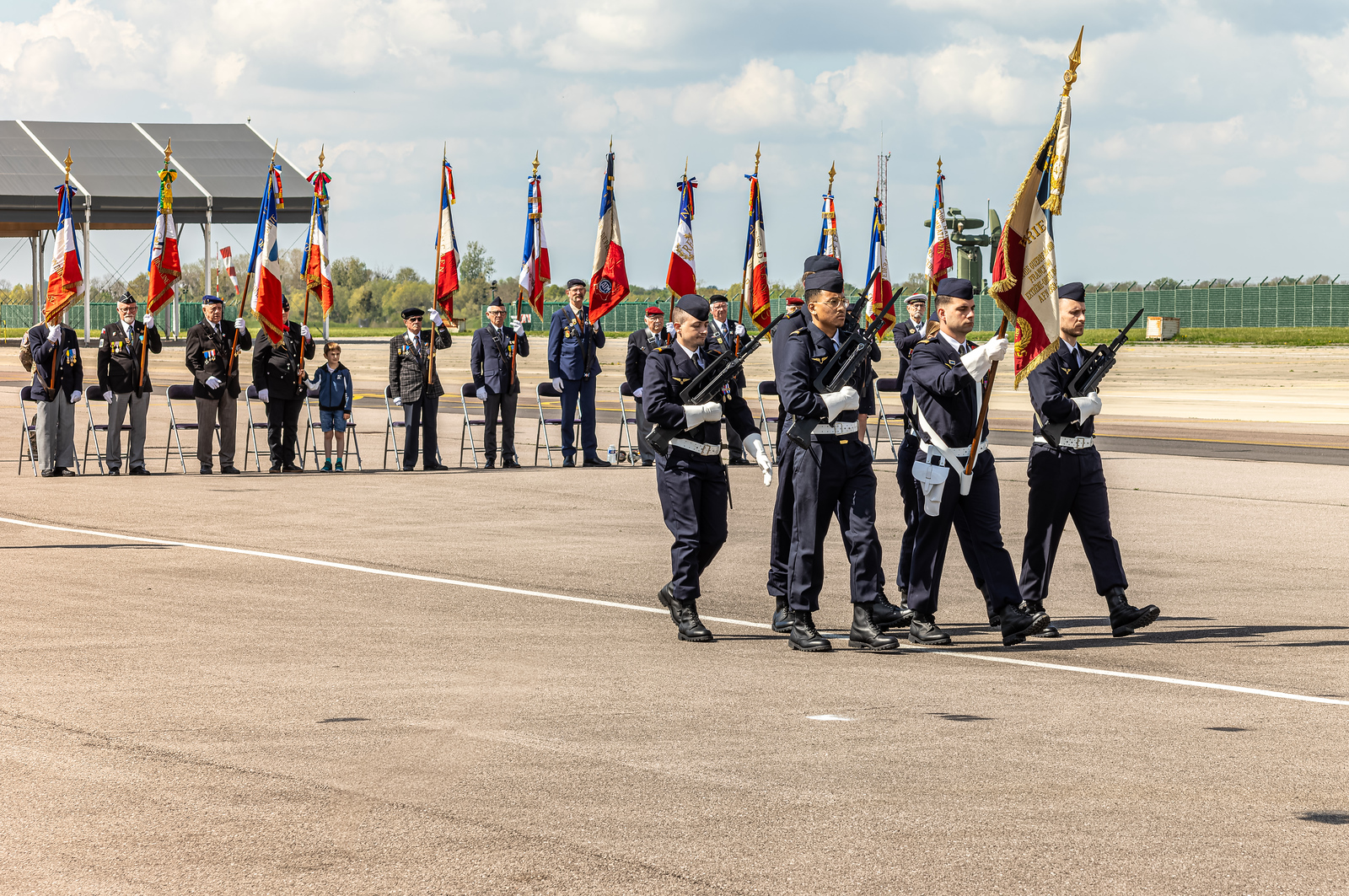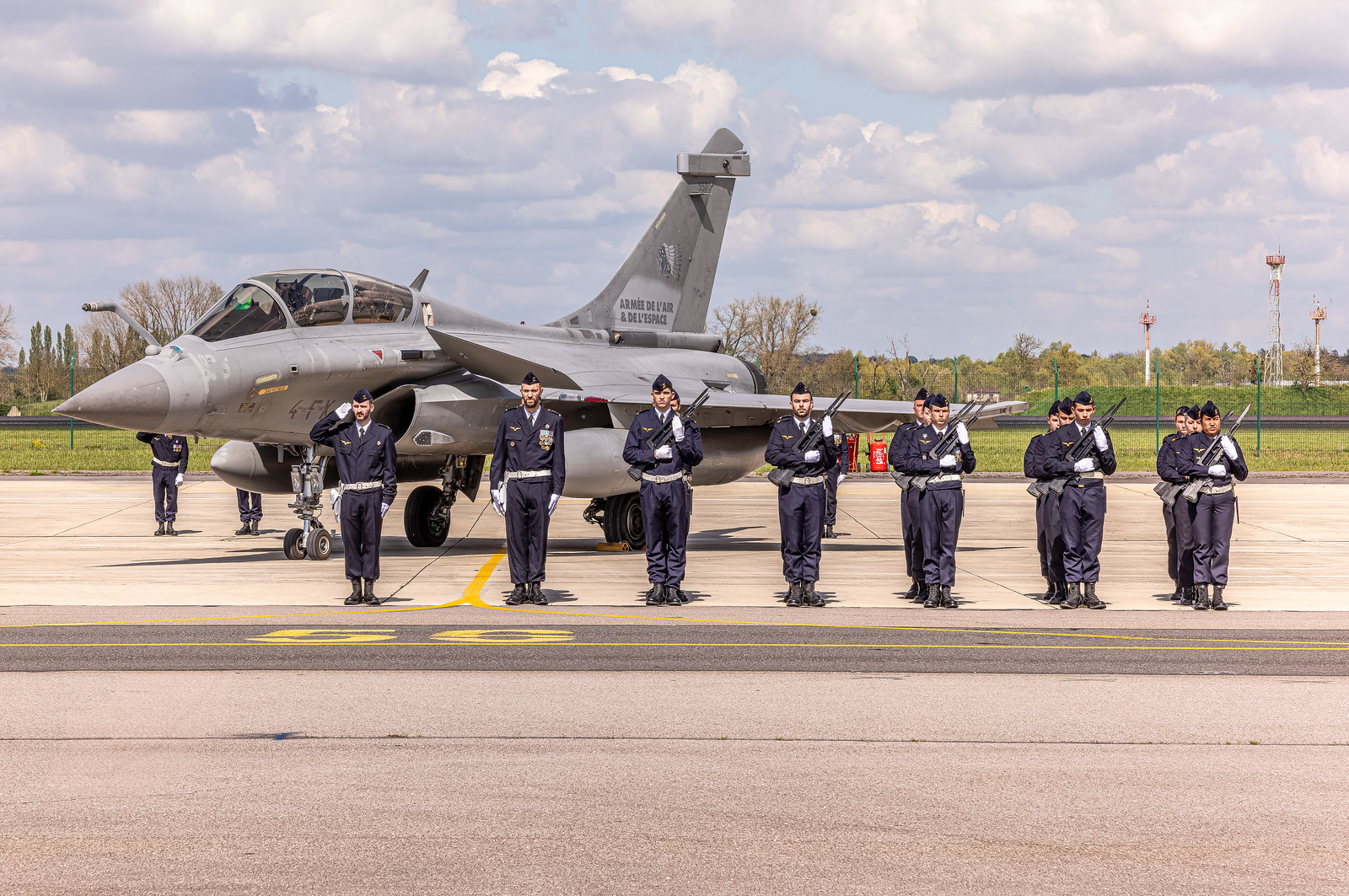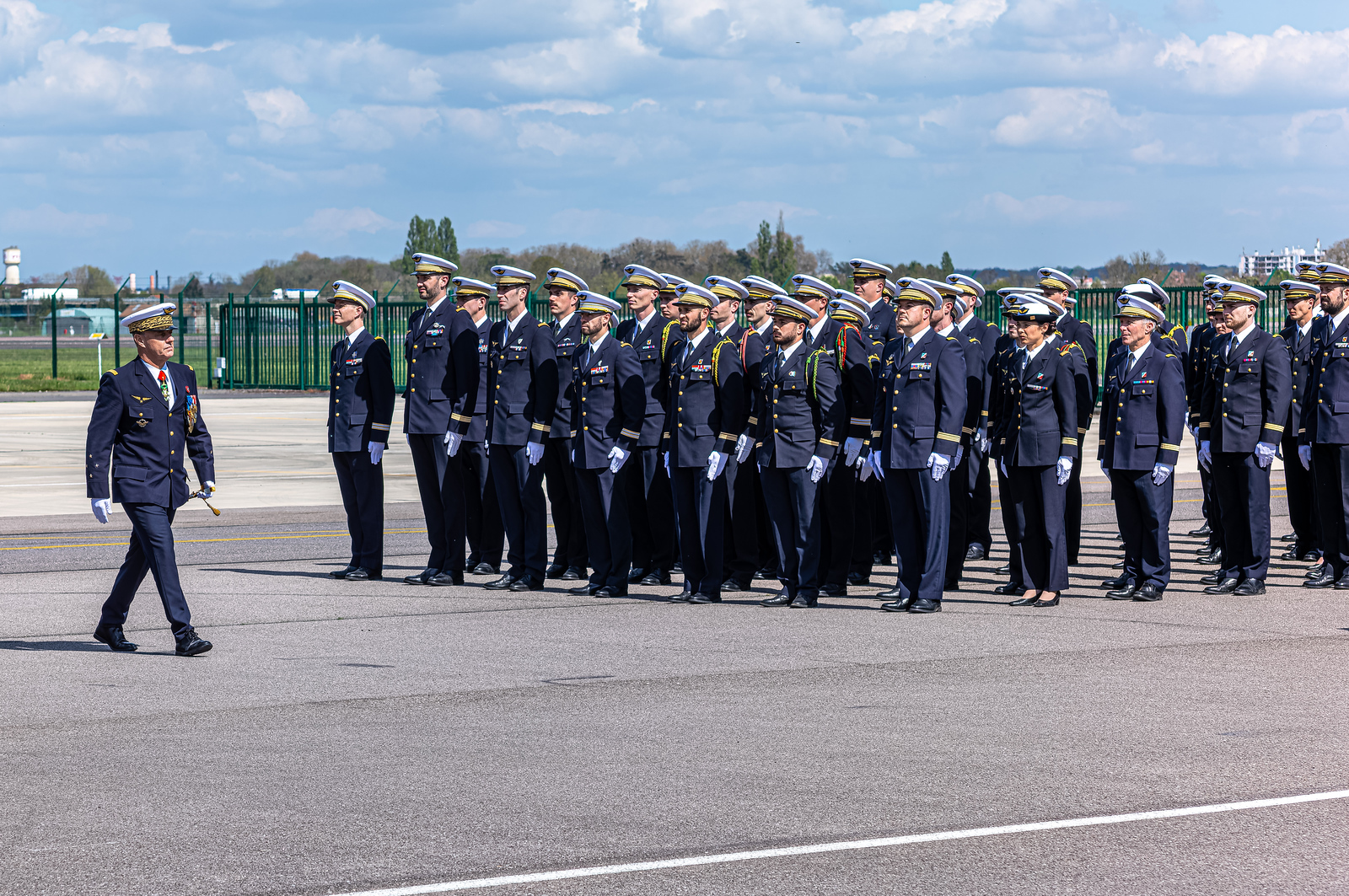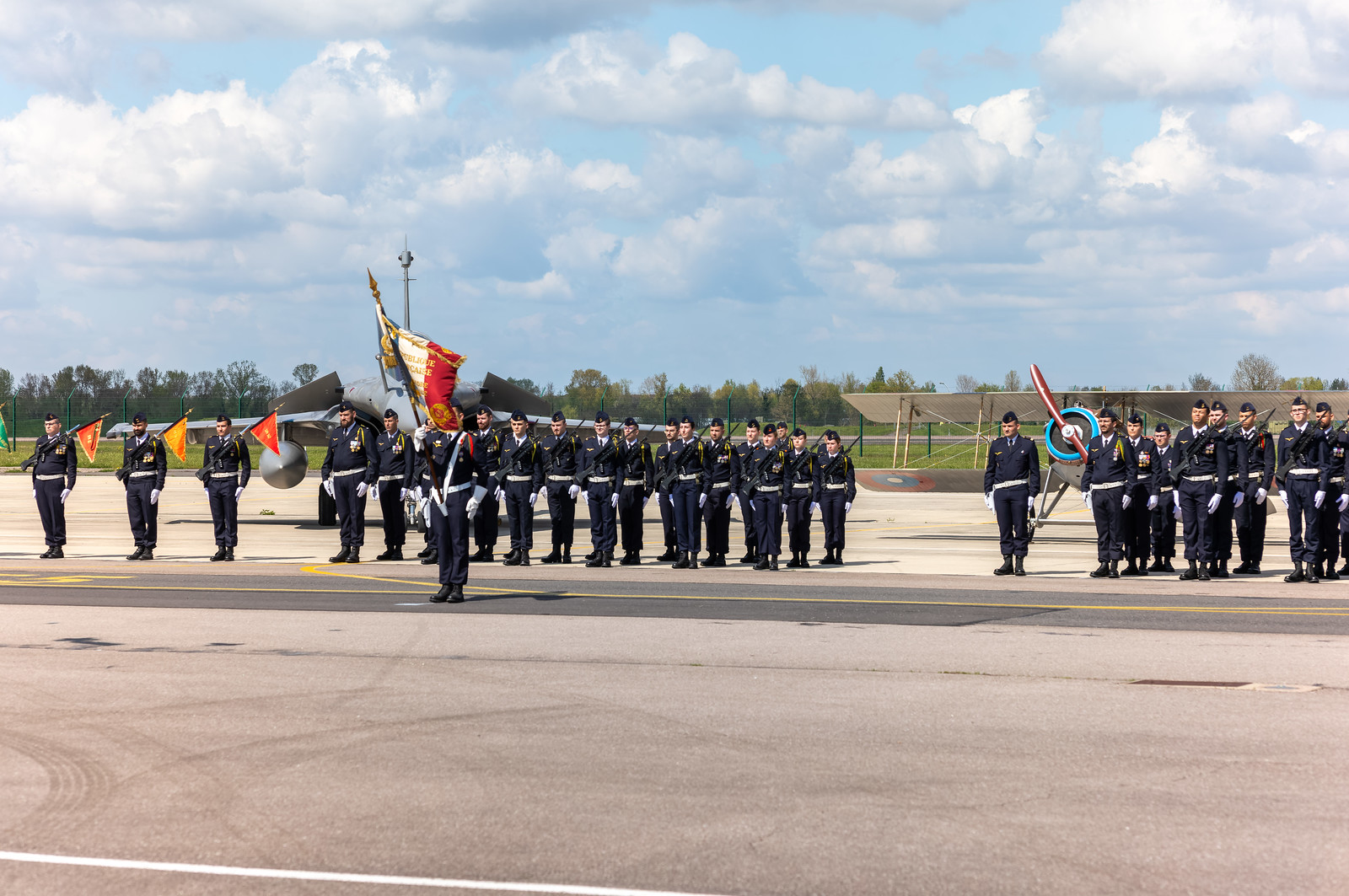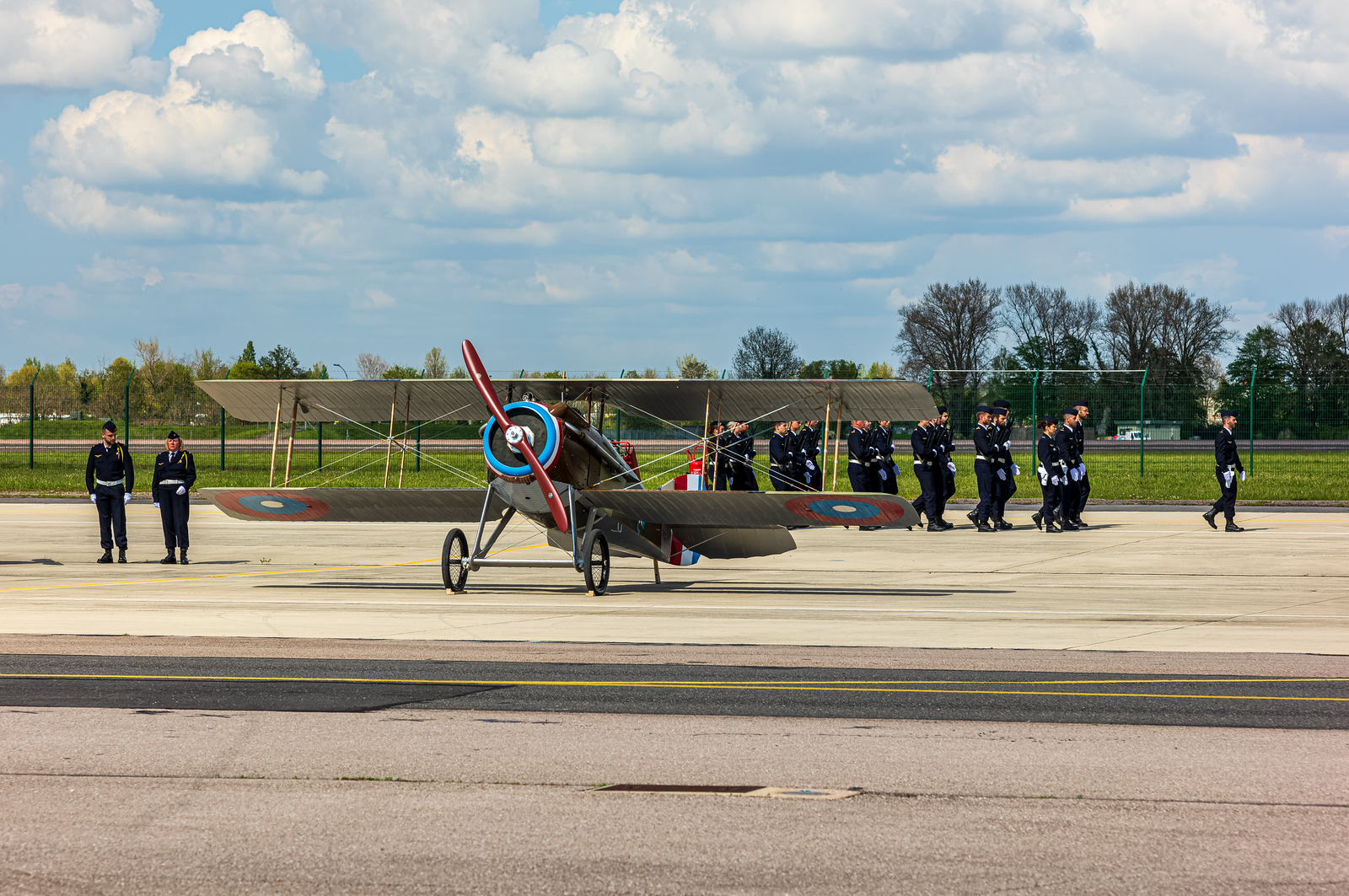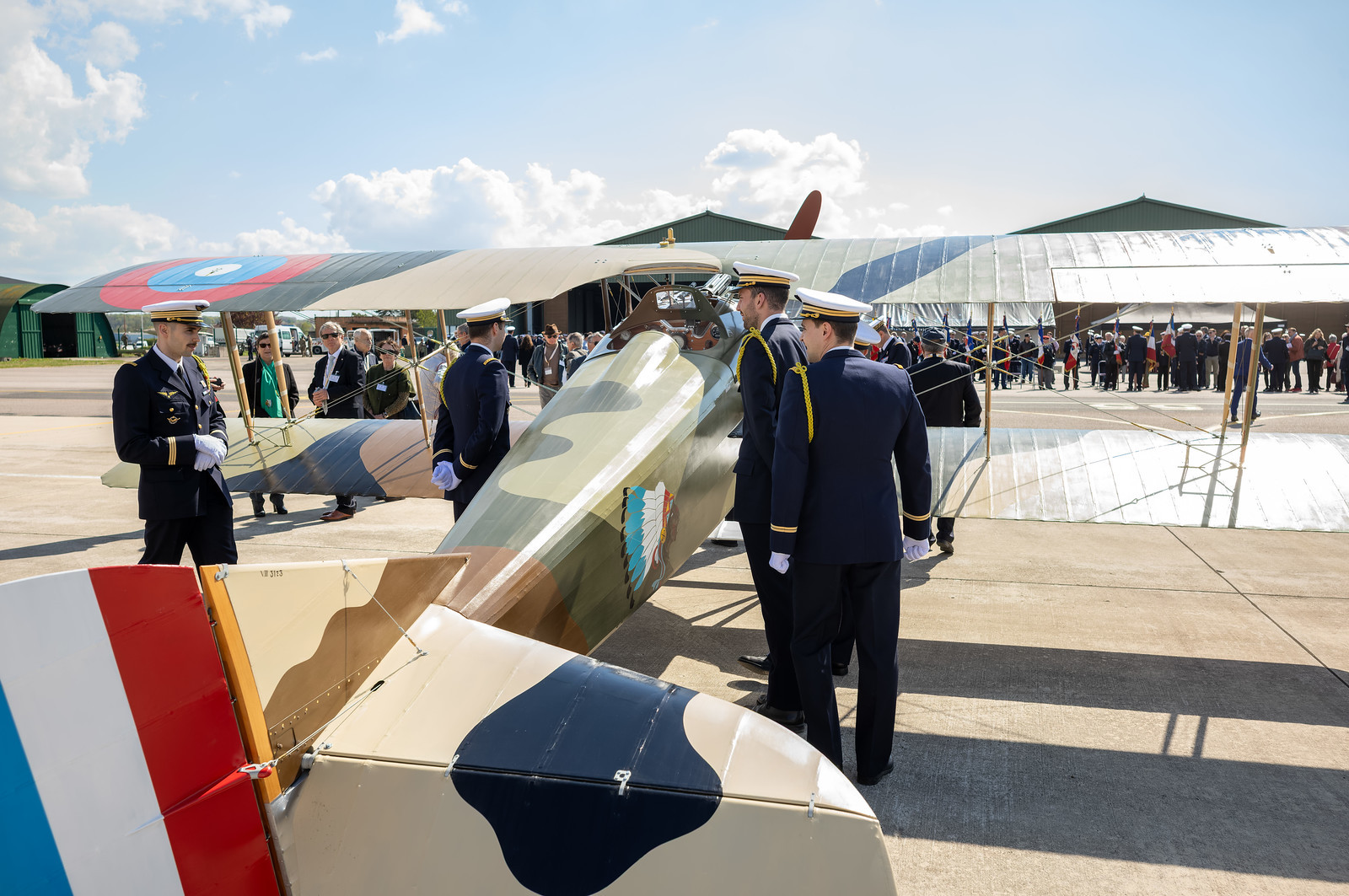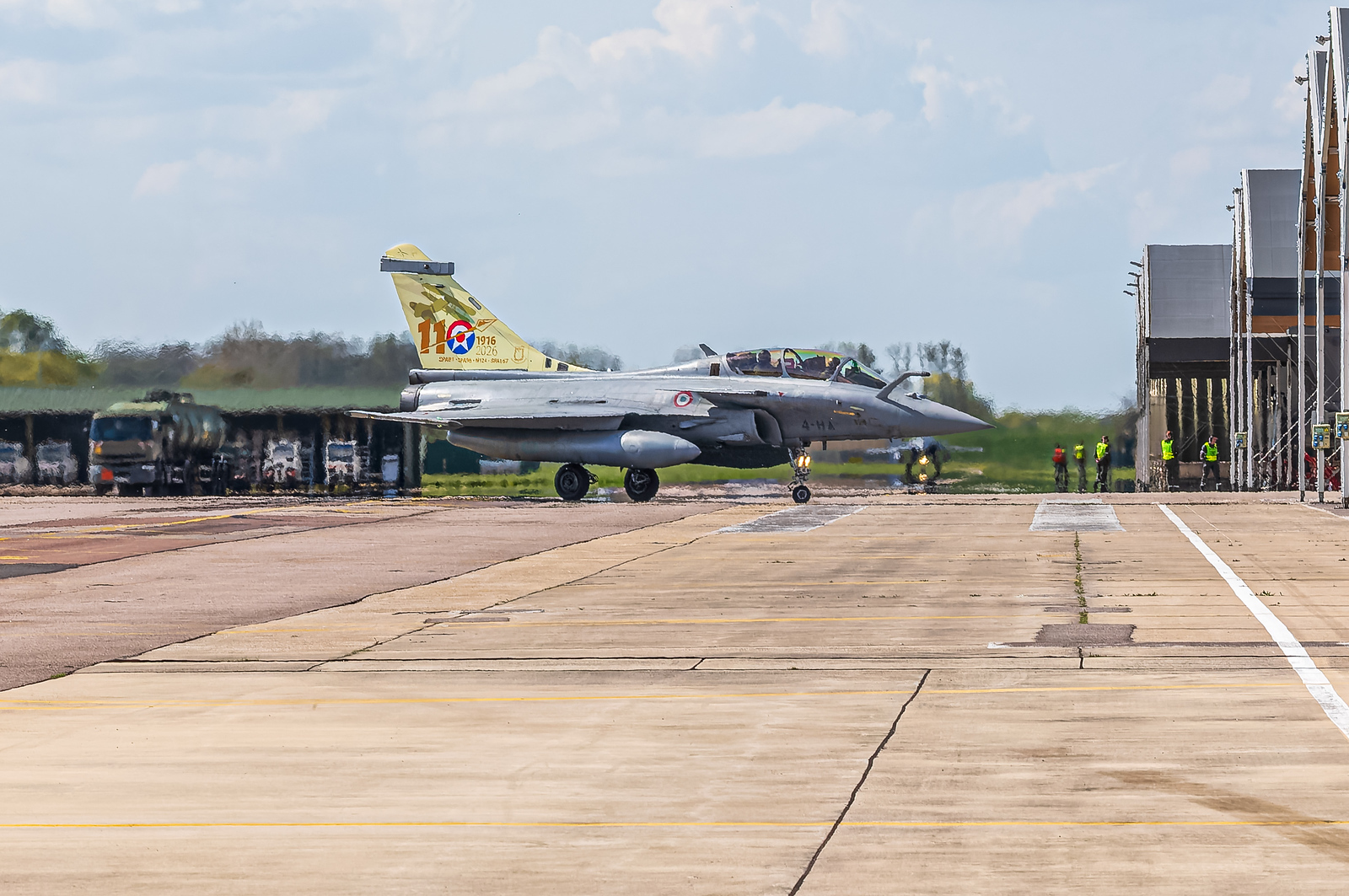
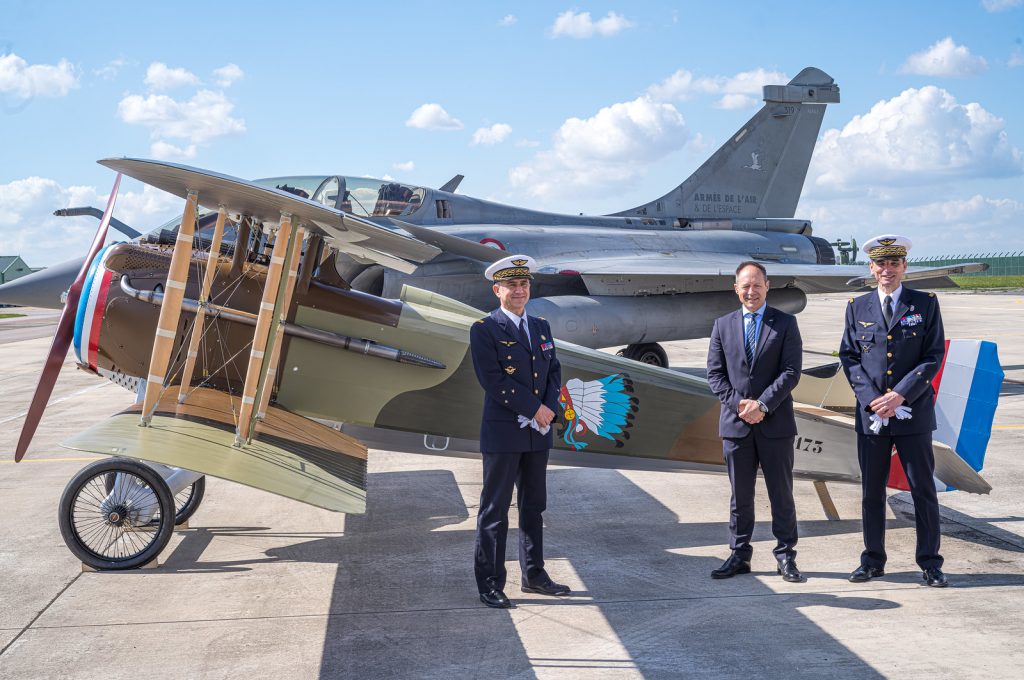
On April 14, 2026, the American Heritage Museum was honored to take part in the 110th Anniversary celebration of Escadron de Chasse 2/4 La Fayette, one of the most storied fighter squadrons of the French Air and Space Force. Held at BA 113 Saint-Dizier – Robinson Air Base in France, the ceremony commemorated more than a century of service by a squadron whose origins trace directly to the legendary Lafayette Escadrille of World War I.
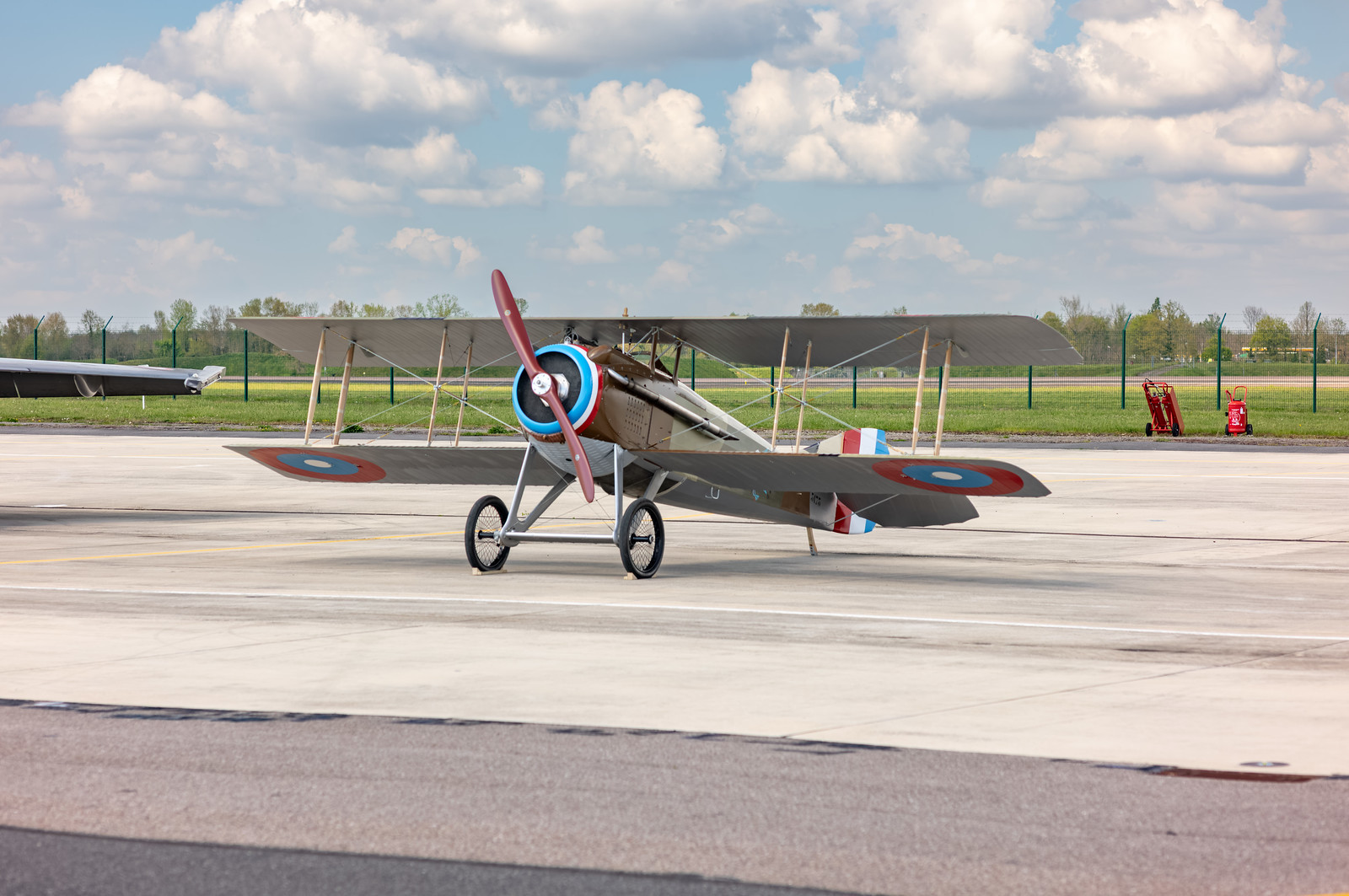
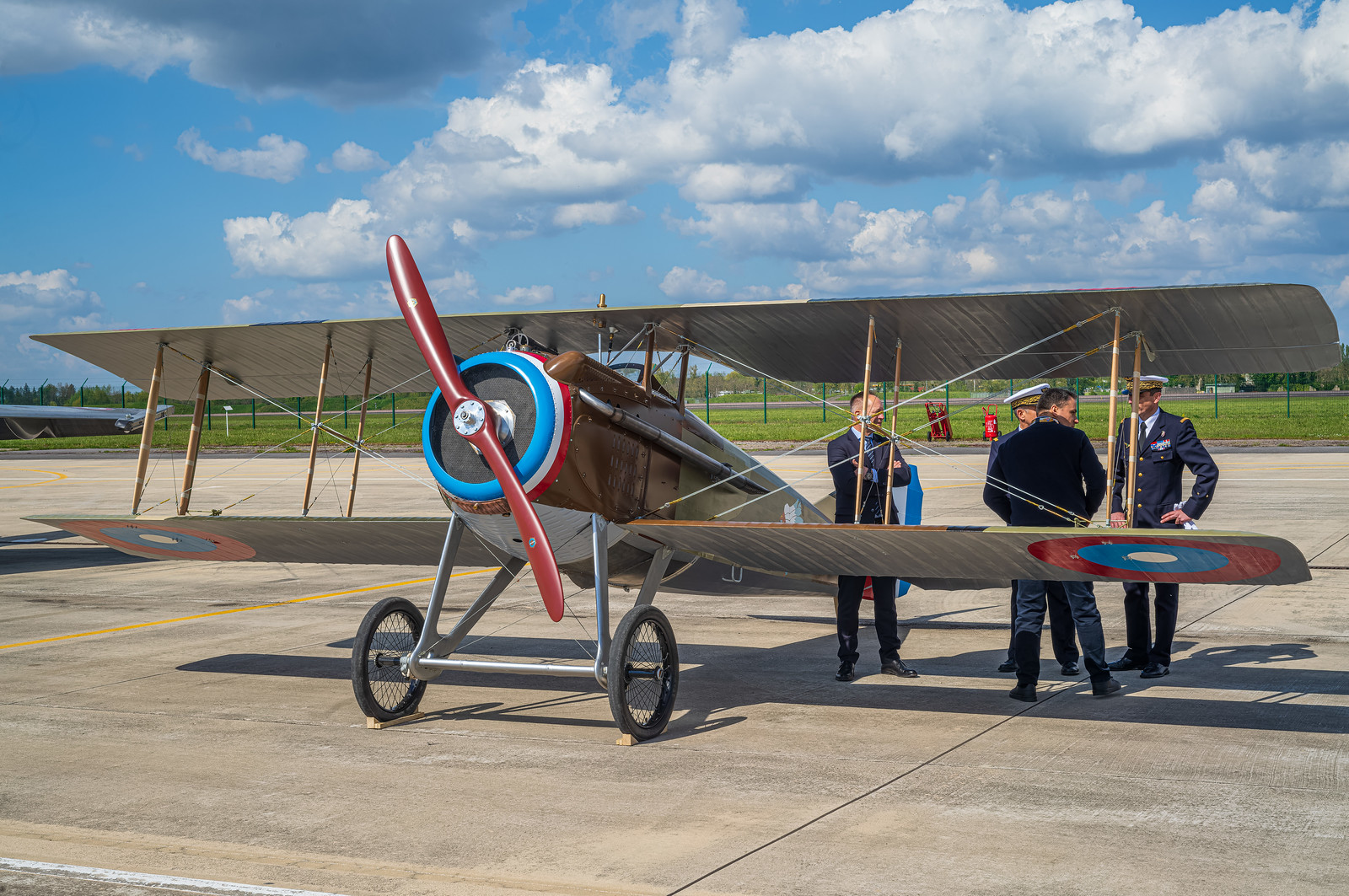
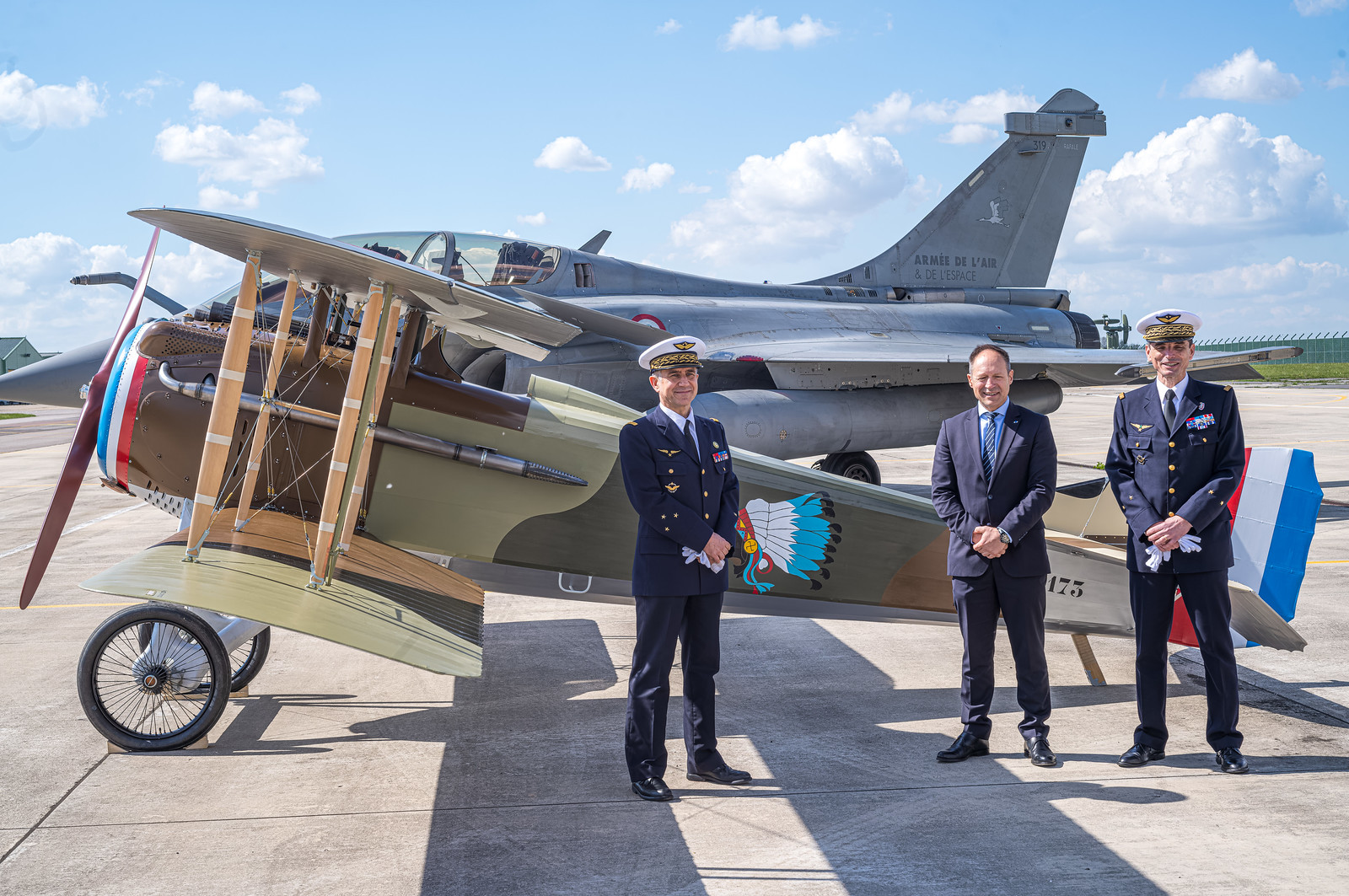
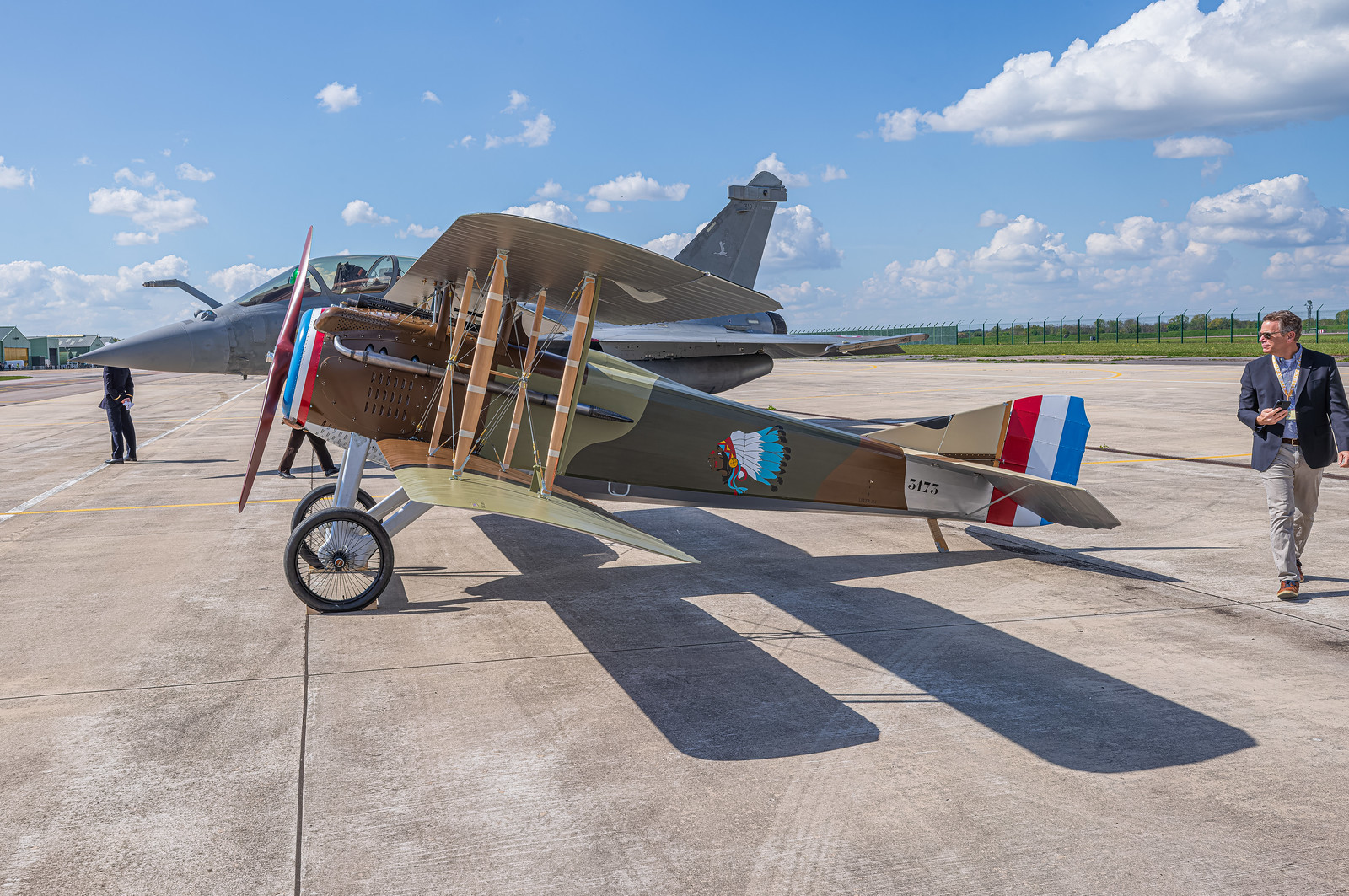
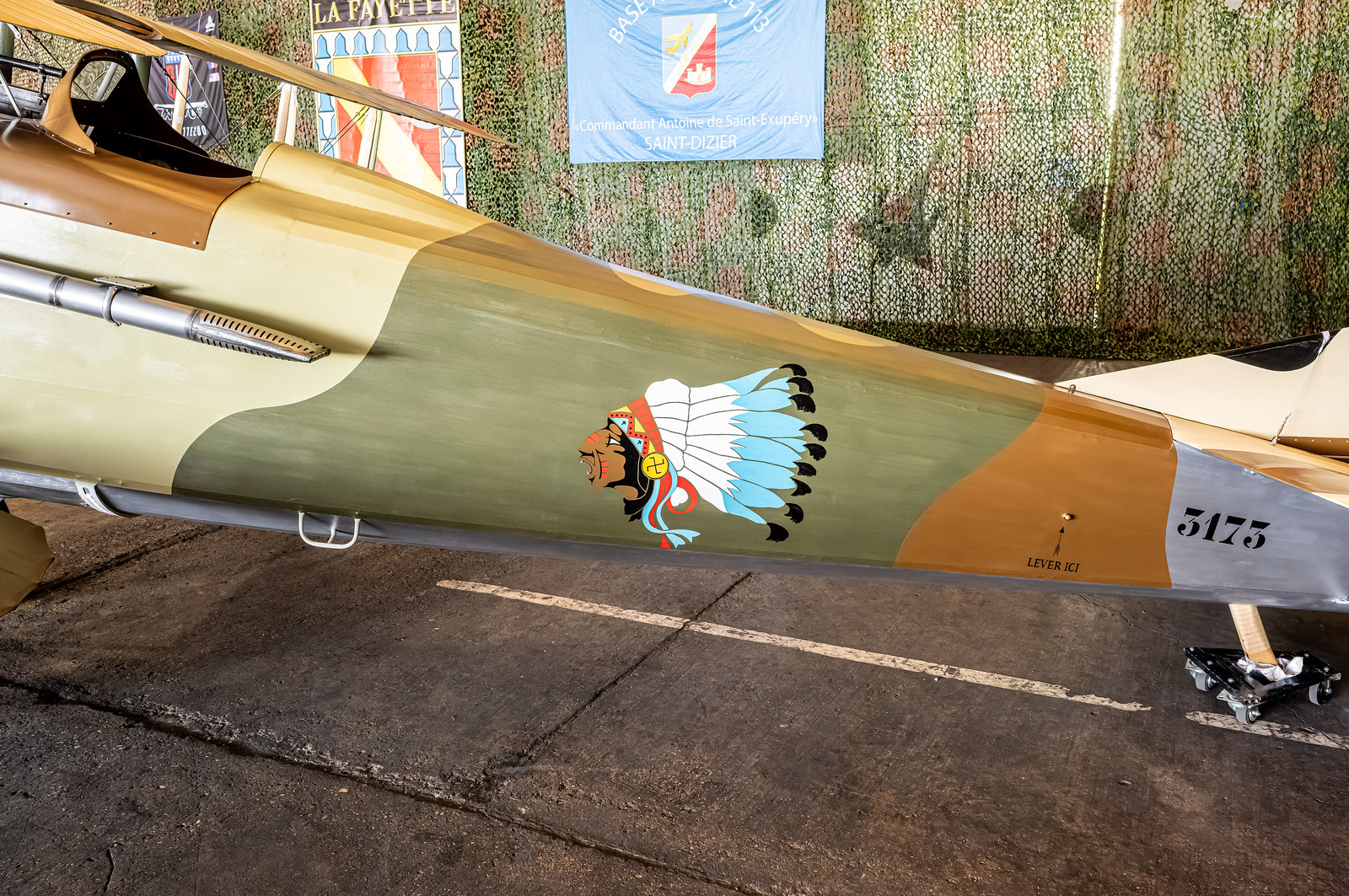
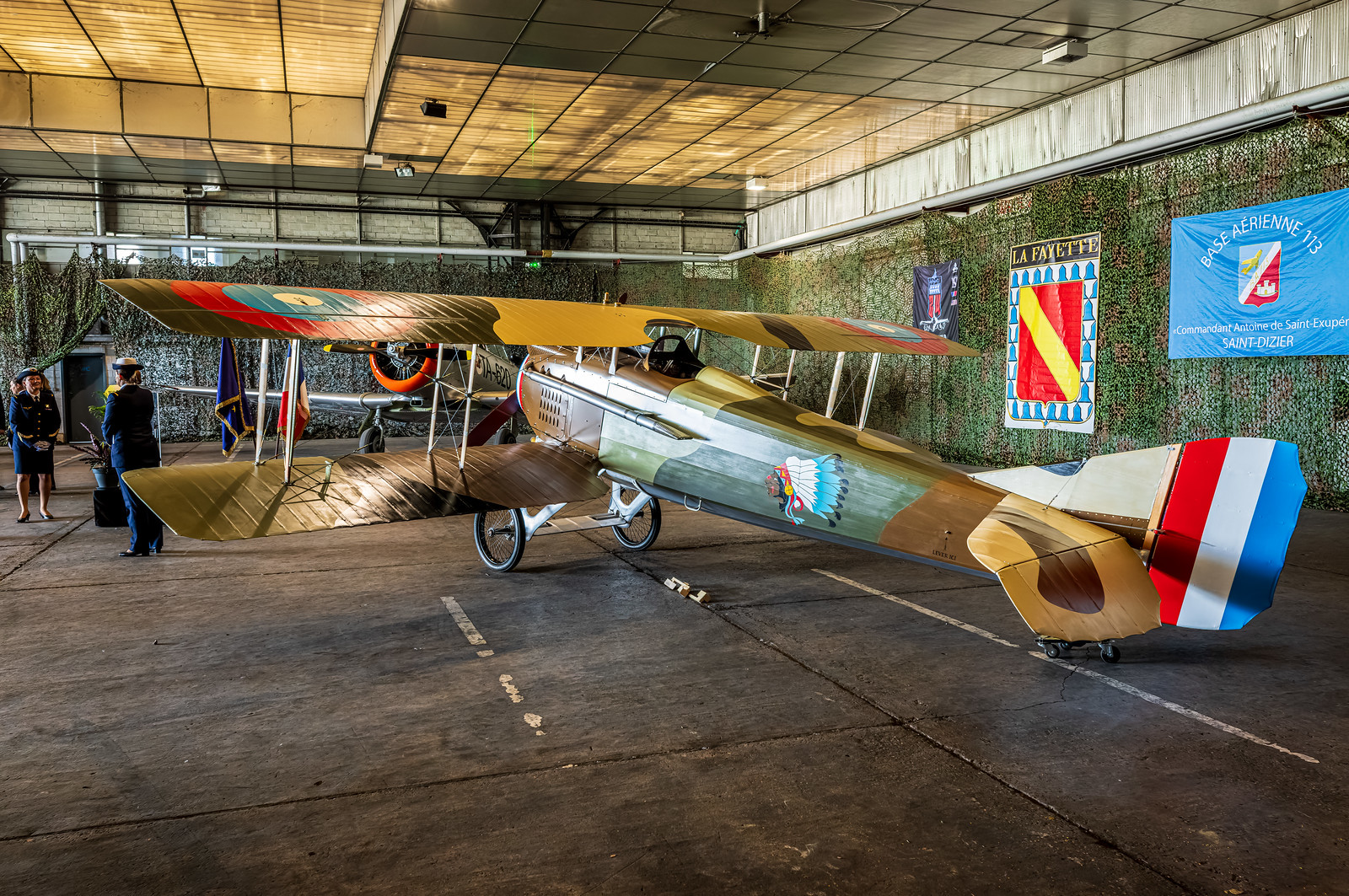
As part of the anniversary observance, the American Heritage Museum’s recently restored original SPAD S.VII was placed on display in Lafayette Escadrille markings beside a modern Dassault Rafale B currently operated by EC 2/4 La Fayette. The pairing created a powerful visual tribute to 110 years of aviation history, linking the fragile wood-and-fabric fighters of the First World War with one of today’s most advanced combat aircraft.
The legacy of “La Fayette” began on April 20, 1916, when the Lafayette Escadrille officially entered combat in France. Formed of American volunteers who chose to fly for France before the United States entered the war, the unit became an enduring symbol of Franco-American friendship, courage, and shared sacrifice. Its pilots included names that would become legendary in aviation history, including James Norman Hall, Norman Prince, Raoul Lufbery, Kiffin Yates Rockwell, and Frank Luke Jr.
Flying aircraft such as the Nieuport 11, Nieuport 17, and SPAD S.VII, the pilots of the Lafayette Escadrille helped define the earliest era of aerial combat. Their service came at a time when military aviation was still new, dangerous, and rapidly evolving. The squadron’s distinctive Native American head insignia and “La Fayette” name reflected both the spirit of the volunteer pilots and the deep historical bond between France and the United States.
Although the original Lafayette Escadrille was disbanded on February 18, 1918, its story did not end there. American personnel were transferred to the United States Army Air Service as the 103rd Aero Squadron, while French personnel continued service in Escadrille SPA.124 Jeanne d’Arc. In 1933, the French Air Force revived the “La Fayette” designation through Escadron de Chasse 2/4 La Fayette, which inherited the traditions of the original wartime Escadrille. Today, EC 2/4 La Fayette continues that proud legacy as a nuclear strike unit flying the Rafale B.
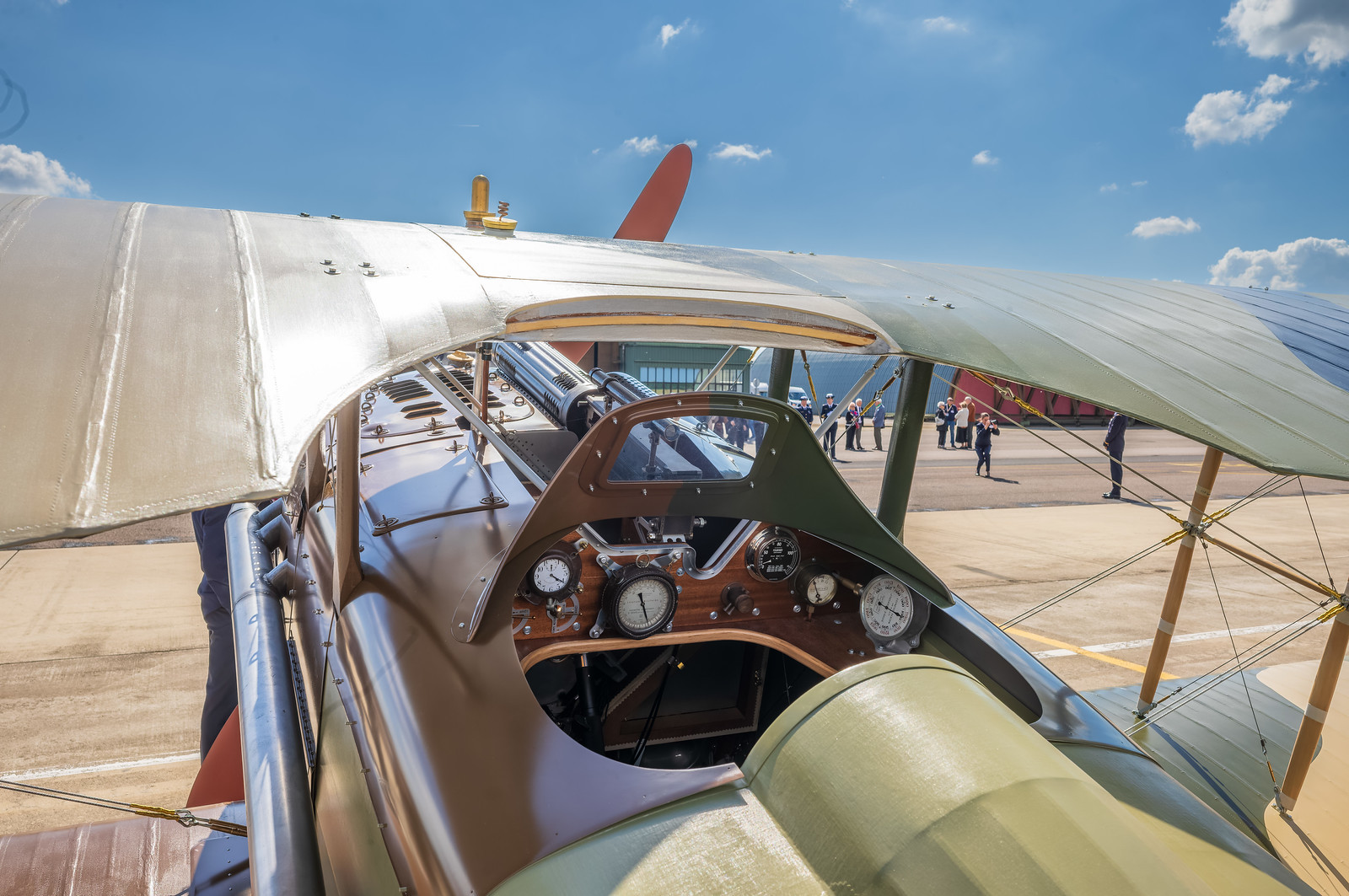
The American Heritage Museum’s SPAD S.VII was restored in France by Antoine Ros, founder of Early Aviators, a specialized World War I aircraft restoration workshop based in Tours-Sorigny. Although the aircraft has not yet completed its first post-restoration flight, Ros carefully disassembled and transported the SPAD to Saint-Dizier for the anniversary ceremony, where it was displayed alongside the Rafale B of EC 2/4 La Fayette.
The presence of the SPAD at Saint-Dizier offered a rare and meaningful connection between past and present. More than a restored aircraft, it served as a tangible reminder of the young American volunteers who crossed the Atlantic to fight for France, the French aviators who served beside them, and the enduring partnership between two nations forged in moments of great consequence.
“We are absolutely honored to have been a part of the 110th Anniversary of the EC 2/4 La Fayette celebration,” said Rob Collings, President of the American Heritage Museum. “It is important to remember the tradition of cooperation between the United States and France during those harrowing days of WWI and we look forward to keeping that spirit of partnership alive with the SPAD VII when it goes on public display at the American Heritage Museum in the future.”
Following the ceremony, the SPAD S.VII is expected to make its first post-restoration flight in France later this spring. It will then travel to Sweden for additional post-restoration flying alongside the American Heritage Museum’s recently re-restored Nieuport 28, under the care of renowned restorer and pilot Mikael Carlson.
Both aircraft are expected to return to the United States within the year and will become important parts of the American Heritage Museum’s growing World War I aviation collection. Together, they will help tell the story of the earliest fighter pilots, the birth of combat aviation, and the lasting bond between the United States and France carried forward through the legacy of Lafayette.
Image Gallery
Photos Courtesy of K.C. King